Emergency Nurse SVG Design: A Designer’s Honest Review
First Impressions: Bold, Clean, and Ready to Stitch
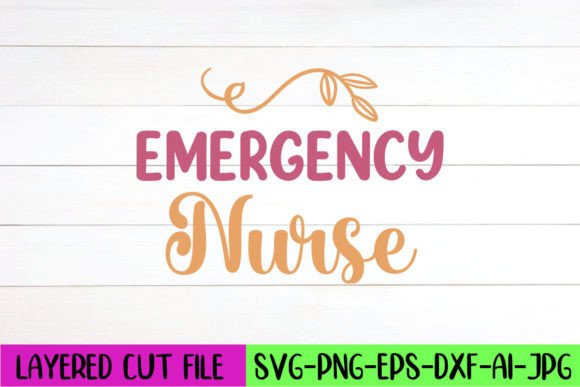
When I first opened the Emergency Nurse SVG Design, I immediately noticed the commanding yet respectful mood it sets. The shape feels balanced, with a strong central emblem that reads clearly even from a few feet away. The theme is unmistakable—a tribute to frontline care—but it doesn’t lean into overly clinical or cartoonish territory. Instead, it strikes a confident, professional tone that will resonate with healthcare workers and gift buyers alike.
As a designer who regularly digitizes and tests graphics for machine embroidery, I study the layering and line weight before anything else. This design is offered as a layered SVG cut file, which means I can separate elements for applique, adjust thread colors in my digitizing software, or even use the individual pieces to create a multi-stitch composition. The fact that it ships with six file types—SVG, PNG, EPS, AI, JPEG, and DXF—gives me plenty of flexibility, though I’ll be concentrating on how the visual translates into thread and stabilizer. For embroidery, I’ll need to convert it into a proper embroidery file, but the source graphic is crisp enough to make that process smooth.
What This Design Brings to Your Embroidery Projects
The Emergency Nurse SVG Design isn’t just a pretty graphic. Its structure makes it a strong candidate for machine embroidery design work, especially if you lean toward applique design or clean, modern satin stitch finishes. The bold silhouettes and limited intricate details reduce the risk of thread breaks during dense fills, while the defined edges guide a running stitch underlay beautifully.
When I digitize a design like this, I look at how it can hold its own across different products. This one has enough visual weight to work as a standalone focal point on a tote bag, a sweatshirt, or an apron, but it’s not so busy that it overwhelms smaller items like a cap or a zippered pouch. The stitch density can be dialed up for a plush, dimensional look or kept lighter for a softer hand on baby blankets and tees. That versatility is a real asset for a craft business selling multiple product lines.
Where I’d Use It First (and Why)
If this were my next client project, I’d immediately envision a set of custom apparel and accessories for a nurses’ appreciation event. The design reads as professional yet personal, which makes it ideal for a personalized gift that doesn’t feel like a novelty item. A tote bag design with this embroidered on the front pocket would be my first test stitch—large enough to show off the details, structured enough to hold the stitch quality, and usable in daily life.
I’d also consider a coordinated set: a matching sweatshirt embroidery for a cool morning commute, a small embroidered patch on a scrub cap, and maybe a tea towel for a thank-you gift basket. Because the graphic is well-drawn, scaling it up or down during digitizing doesn’t ruin the proportions. That’s a key point for anyone creating design assets for multiple product types.
A Real-Life Scenario: Custom Tote Bags for a Nurse Appreciation Event
Let me walk you through a recent mock-up session I did with this design. I was preparing a sample for a clinic that wanted thirty tote bags as part of a staff recognition week. The client wanted something that felt both heartfelt and durable—something their nurses could use at the grocery store or carrying lunch to work.
I opened the Emergency Nurse SVG Design in my digitizing software, mapped out the stitch order, and set up a fill stitch for the main emblem with a satin stitch border. I chose a medium-weight cotton canvas tote in natural beige, added a medium cutaway stabilizer, and ran a test stitch. The result was exactly what I wanted: the design held its crispness, the lettering remained legible, and the overall look felt like a boutique product, not a rushed craft fair item. The client’s reaction? Immediate approval—and a second order for matching zipper pouches.
That scenario confirmed something I always look for: the design doesn’t just look good on a screen; it builds customer trust when it’s stitched out. The finished product looked consistent with the brand tone the client wanted to convey, and that’s a direct result of the graphic’s clean construction.
How It Performs Across Different Fabrics and Products
After testing on the tote, I stitched the design on a few other surfaces to see how it held up. On a midweight fleece sweatshirt, the design still looked sharp, but I needed to adjust the stitch density slightly to prevent sinking into the plush fabric. A no-show mesh stabilizer plus a water-soluble topper kept the edges crisp. On a cotton twill cap, the curved surface demanded careful hooping, but the design’s open layout—without tight, tiny lettering—meant the stitches didn’t distort much. I’d call it cap-friendly as long as you keep the design size within 2.5 inches high.
For baby embroidery or infant items, I’d use a soft, low-density fill and a lightweight stabilizer to avoid stiffness. The design’s theme might not be an obvious choice for a nursery, but I’ve seen parents in healthcare love having a onesie with a subtle nurse emblem for photo shoots. On tea towels, the design pairs well with a running stitch outline for a more delicate, airy finish. For holiday embroidery, you could swap thread colors to match seasonal palettes without losing the design’s identity.
Where You Need to Be Careful
No design is perfect for every situation, and this one has a few boundaries I’d respect. The layered nature of the SVG means there are overlapping elements; if you digitize them as dense satin stitch on top of each other, you might get a stiff, bulky result on lightweight fabrics. I’d recommend digitizing with a careful underlay and, when possible, using a single fill stitch for the background instead of multiple stacked satins.
Small hoop sizes can be a challenge if you try to cram the entire design into a 4x4 inch area. The lettering and fine details might close up, so I’d keep the design at 3.5 inches wide or larger for best clarity. On textured fabrics like terry cloth or loosely woven linen, the crisp edges can get lost, so a topper becomes non-negotiable. If you’re stitching on dark fabric, you’ll want to test your thread color contrast; the design’s impact relies on clear separation between elements, and a navy-on-black stitch will wash out. Finally, products that need frequent washing—like dish towels or scrubs—require a firm backstitch and a quality stabilizer to maintain the shape over time.
Practical Notes for Embroidery Digitizers and Small Business Owners
Before you add this design to your product lineup, here are some designer-level tips I’d share with any Etsy seller or small shop owner. First, always test the digitized version on scrap fabric that matches your final product’s fiber content. The thread colors you choose will dramatically change the mood—I’ve seen this design look fiercely modern in monochrome and surprisingly soft in pastels. Checking it in a black-and-white mockup helps you verify that the contrast holds up without relying on color alone.
Second, confirm your hoop size early. I digitize with a safe margin, but if you’re using a machine with a limited embroidery field, you may need to simplify or split the design. Third, inspect the small details, like any tiny stars or accents, and decide if they’ll stitch out cleanly at your target size. Sometimes a minor edit—removing a speck or thickening a line by half a millimeter—saves you from thread breaks and frustrated customers.
Since this is a digital embroidery file source graphic, not a ready-to-stitch file, you’ll need to digitize it yourself or hire a digitizer. The product description confirms it works great with Adobe Illustrator, Cricut, and Silhouette Studio, which means the vector quality is there for clean conversion. If you’re using it as a printable mockup or to create product previews for your shop, the included PNG and JPEG are handy for quick design assets.
The Commercial Angle: Selling Finished Products
For those running a craft business, the Emergency Nurse SVG Design opens a door to a niche that’s both evergreen and meaningful. Nurse-themed products sell year-round, with spikes around National Nurses Week, graduations, and the holidays. A well-executed embroidered patch with this design on a jean jacket or a scrub cap can command a premium price because it feels personal and professional.
When you list items on Etsy or at a craft fair, the visual consistency of this graphic helps build brand consistency. If you offer a tote, a mug mat, and a sweatshirt all featuring the same clean emblem, customers recognize your style and are more likely to buy multiple items. The giftability factor is high, and that drives repeat purchases. Just make sure you have the right to sell finished products; licensing terms aren’t explicitly detailed in the product description, so you’ll need to confirm with the seller whether commercial use of the graphic on physical goods is allowed. That’s a standard step I never skip.
Weighing the Design’s Value for Your Embroidery Toolbox
After running this design through real stitch-outs, multiple fabric types, and a straightforward client scenario, I can say the Emergency Nurse SVG Design earns its place in a digitizer’s folder. It’s not a ready-to-stitch embroidery file, but as a graphic foundation, it provides the clarity, balance, and emotional resonance that sell handmade products. The layered file format gives you control over color breaks and stitch types, and the design’s strong silhouette reduces the guesswork that often comes with converting a complex raster image.
If you’re an apparel decorator looking to expand into healthcare-themed items, or a digital product seller who wants to offer a versatile graphic for crafters, this design hits the mark. It works beautifully for personalized gift orders, holds up to daily use, and gives your finished product a level of polish that builds buyer engagement. I’d recommend it with the practical reminder to test, digitize thoughtfully, and always respect the original artist’s licensing terms. When you do, you’ll end up with stitched pieces that feel as caring as the profession they celebrate.