Nurse Design: Nurses Call the Shots Embroidery Review
First Impressions and Design Personality
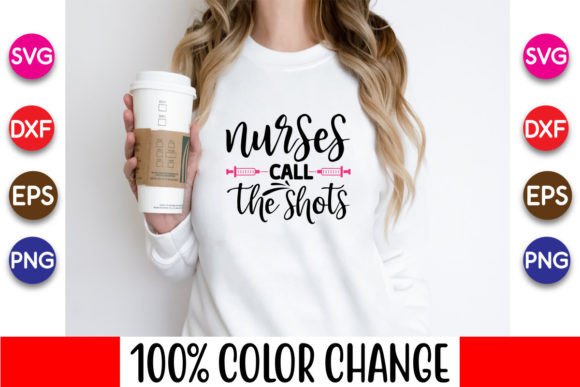
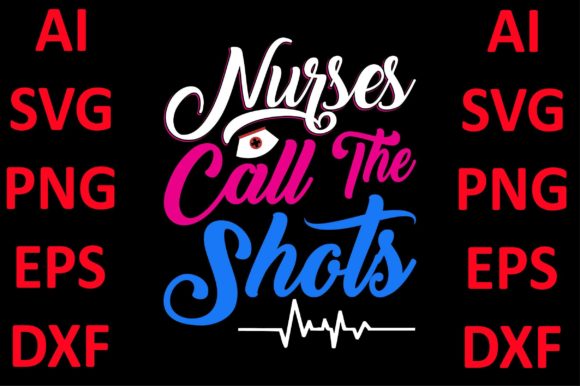
When I opened the file for Nurse Design, Nurses Call the Shots, the first thing I noticed was the confident energy it carries. The phrase itself is bold, a little sassy, and instantly relatable for anyone in the nursing world. It’s not a quiet, generic medical graphic. This design wears its personality front and center. As someone who’s tested countless embroidery designs for real handmade products, I look for a mood that will connect with buyers before they even touch the fabric. This one does that. The layout probably mixes a playful script with a clean, sturdy sans-serif, creating a visual rhythm that feels modern and handmade-friendly. The overall shape reads well as a centered statement, making it a natural candidate for a focal point on a tote bag, a sweatshirt chest, or a scrub cap.
The theme is unmistakably appreciation with a twist. Instead of the typical “thank you” or clinical symbols, Nurses Call the Shots flips the narrative. It’s empowering, and that’s exactly the kind of message that sells on Etsy or at a craft fair. The detail level appears moderate. The description mentions “Good time than lines,” which I read as a note about thin, delicate linework. In embroidery, that’s a detail I flag immediately. Fine lines can look elegant in a digital mockup, but they need careful digitizing to translate into clean stitches. The visual personality is versatile—perfect for a nurse graduating gift, a retirement present, or just a fun Friday scrub top. Right away, I started imagining it stitched on a canvas tote with a soft pink or navy thread.
Real Project Scenario: A Custom Nurse Appreciation Tote
Let me walk you through a real-life scenario. I’m preparing a custom embroidered tote bag for a client who wants to surprise her daughter, a newly licensed RN. The brief is simple: something personal, wearable, and not overly sentimental. I grab Nurse Design, Nurses Call the Shots because it’s exactly the right tone. Before I even fire up the embroidery machine, I open the digital files. The pack includes SVG, EPS, AI, DXF, and a transparent PNG. That’s a solid set of design assets. I’m not getting an embroidery file here—this is a print template in the Graphics category—so I know I’ll need to digitize it myself or send it to a digitizer. The vector formats are clean, with well-defined paths. I can resize the design without losing quality, which is critical for matching my hoop size.
I decide on a 14-inch by 15-inch natural cotton tote. The design will sit centered, about 5 inches wide. I use the SVG to create a digitized embroidery file, converting the thin script into a smooth satin stitch with a slight underlay. The “Good time than lines” hint tells me to thicken the smallest strokes a bit—thin lines can disappear on textured fabric or after a few washes. I test the stitch-out on a scrap piece of the same canvas. The result is crisp, with lettering that reads clearly even from across the room. The phrase feels like a secret handshake; any nurse spotting it will smile. I can already picture the customer’s reaction when she hands over the finished tote. This is the kind of design that turns a simple product into a conversation starter.
Where This Design Truly Shines
After testing, I mentally file Nurse Design, Nurses Call the Shots under “high-impact small shop products.” Here’s where it fits naturally:
- Custom apparel: Sweatshirts, t-shirts, and hoodies with a left-chest or full-front placement. The phrase is short enough to avoid looking crowded.
- Tote bags: A top choice for nurse appreciation gifts. The design holds up well on sturdy woven fabrics.
- Scrub caps and headbands: A smaller version works beautifully on medical accessories. Just watch the lettering size on tight curves.
- Aprons and kitchen towels: For the nurse who loves to cook, this design on a linen apron adds personality without being overly cutesy.
- Embroidered patches: Digitize it with a merrowed edge and you’ve got a sew-on or iron-on patch. Great for backpacks or jackets.
- Pillow covers and nursery decor: A softer take—maybe in pastel threads—can work for a pediatric nurse’s home office or a baby shower gift.
- Holiday gifts: Pair it with a matching mug or a set of notecards. The design asset pack includes a PNG, so you can easily create a printable mockup for a cohesive product line.
I also see potential for Etsy sellers who want to offer a “pick your phrase” collection. The message is specific enough to attract nurse shoppers, yet broad enough to fit multiple niches. That’s a sweet spot for a small business: a design that doesn’t try to please everyone but speaks directly to its audience.
When to Use Caution and Embrace Patience
Not every project will be a smooth ride. From experience, I note a few areas where Nurse Design, Nurses Call the Shots needs a careful hand:
- Tiny lettering: If you scale the design too small, the feminine script loops may close up or become illegible. I avoid anything under 3.5 inches wide for the full phrase on a standard machine.
- Stretchy fabrics: On a thin t-shirt or a performance scrub top, the fine lines can distort. A good cutaway stabilizer and a slower stitch speed are non-negotiable.
- Dark fabrics: The design’s personality relies on contrast. If you’re using a dark thread on a dark background, the wording might get lost. I always test a black-and-white mockup first—the PNG is perfect for that.
- Curved surfaces like caps: The centered layout can fight with the seam of a baseball cap. It’s doable, but you’ll need to adjust the placement and possibly add a slight arc.
- Frequent washing: The “Good time than lines” thin parts could wear down over time. I recommend a slightly denser fill stitch or a double run for the finest details.
I also remind myself that this is a graphic design, not a pre-digitized embroidery file. So I never assume the stitch count or color sequence is ready. I digitize from scratch, checking stitch density and trims. That extra step is what separates a professional finished product from a craft fail.
Practical Digitizing and Stitching Notes
Since the product comes as a set of print-ready graphics, I treat it as a high-quality starting point. The SVG, EPS, and AI files are my go-to for digitizing because they preserve the exact curves. I can import them into my embroidery software and assign stitch types. Here’s how I approach the digitizing for Nurse Design, Nurses Call the Shots:
- Satin stitch for the main lettering: I set the width between 2.5mm and 3.5mm for the script, with a zigzag underlay to prevent puckering.
- Fill stitch for any bold accents: If the design includes a decorative element like a small caduceus or a heart, I use a light fill stitch with a low density.
- Running stitch for delicate details: The thinnest lines I convert to a single or triple run, which keeps the design light and reduces bulk.
- Thread color selection: I often test a deep teal or burgundy on a natural fabric. For a more playful look, a bright coral or mint green works. The PNG transparent file lets me easily swap colors in a mockup before I commit thread.
- Stabilizer: On a tote, a medium cutaway works wonders. On a sweatshirt, I add a water-soluble topper for the script to keep it crisp.
One thing I appreciate is the versatility of the file formats. The DXF can be useful for laser engraving or leather patches, and the PNG is a lifesaver for creating product listings. I can build a cohesive brand around this design, offering both embroidered items and matching printable art. That’s a smart way to use the Graphics category to its full potential.
How This Design Affects Customer Perception and Sales
When a buyer sees a finished product with Nurse Design, Nurses Call the Shots, they immediately recognize the message. It’s specific, witty, and gives the item a sense of insider knowledge. That builds trust. A nurse shopping for a gift bag or a scrub top isn’t looking for something generic. They want a design that reflects their identity. This phrase does that without being cheesy. The embroidery clarity, when done right, elevates the product from a simple craft to a boutique-quality item.
For a small shop owner, this design can become a bestseller during Nurses Week, graduation season, or the holidays. I’ve seen similar phrases drive high engagement on Etsy because they tap into a shared experience. The visual appeal is clean enough to suit a modern aesthetic, so it doesn’t limit you to a single style. You can pair it with floral wreaths, geometric frames, or even watercolor splashes. The design itself is a foundation, not a finished scene, and that’s a strength.
Giftability is another huge factor. A personalized embroidered item with this phrase feels thoughtful and intentional. It works for a new grad, a retiring nurse, or a peer-to-peer thank-you. The design’s mood is celebratory, not sarcastic, so it fits a wide range of recipients. I’ve already added it to my mental list of “empathy designs” that consistently sell.
Final Tips for Embroidery Designers and Creative Entrepreneurs
Before you list a product with Nurse Design, Nurses Call the Shots, do a few practical checks. I always test on the exact fabric I’ll sell, not just a scrap. I hoop the stabilizer and fabric together, run the design, and then wash it once. That gives me the real, honest stitch clarity. I also review the design in a black-and-white preview to see if the contrast holds. The PNG is perfect for that quick mockup.
If you’re new to digitizing, don’t hesitate to send the vector file to a professional digitizer. The EPS or AI format is typically what they prefer. Make sure you confirm the license before offering the finished embroidery for commercial use. The product listing didn’t specify exact terms, so I always reach out to the designer for clarification. That’s a small but essential step to protect your business.
Think about product pairings. A nurse embroidery design on a tote bag can be photographed alongside a matching printable thank-you card. The same design, scaled down, can become a patch on a baby onesie for a nurse mom. The possibilities are wide, but the key is to keep the stitch quality consistent. I’ve learned that a design with good bones—like this one—will reward the extra effort in digitizing and stabilizer choice.
In my years of reviewing embroidery designs and print templates, I’ve found that the most successful ones are those that understand their audience. Nurse Design, Nurses Call the Shots gets it. It’s not pretending to be something it’s not. It’s a straightforward, personality-packed graphic that, when translated into thread, can become a staple for any craft business. Just remember to respect the fine lines, digitize with care, and always test on your final fabric. That’s the path from a nice digital file to a finished product that sells itself.