Future Critical Care Nurse SVG: An Embroidery Designer’s Review
First Impressions: A Design That Speaks Quiet Confidence
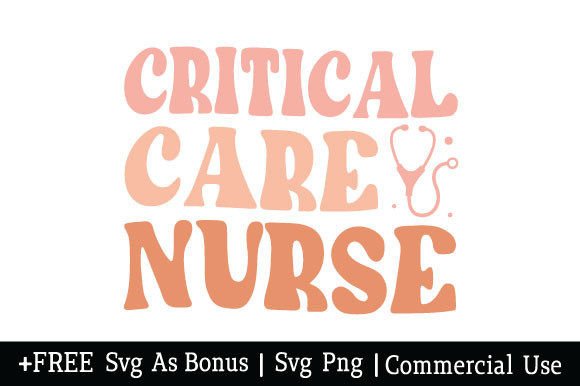
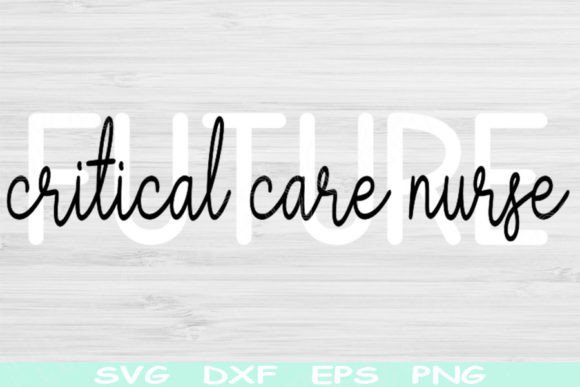
When I first opened the Future Critical Care Nurse Svg ICU Nurse file, I immediately noticed how focused the message is. The phrase “future critical care nurse” isn’t just a label — it reads like a quiet promise, a personal mission statement. From an embroidery designer’s perspective, that kind of clear, sentimental wording holds a lot of power. It’s the sort of design that makes a handmade product feel intentional, not just decorative.
The typography carries a friendly, clean energy. There’s no unnecessary clutter, no overly ornate flourishes that would choke a needle or make stitch-out tedious. That’s a big plus when you’re thinking about real-world embroidery. You want the lettering to breathe, to have enough space between characters so thread doesn’t bridge or blur after washing. This design gives that impression right away. The mood is warm, proud, and just bold enough to catch the eye without screaming. I can already picture it on a sturdy canvas tote bag, stitched in a soft navy thread, carried by a nursing student on their first clinical rotation.
Where This Design Shines in Real Embroidery Projects
I often test a design’s potential by imagining it on the products my small shop clients request most. With Future Critical Care Nurse Svg ICU Nurse, the applications feel almost endless, but a few stand out as natural fits. A personalized sweatshirt for a nursing school graduation gift is the obvious choice. The text-based nature of the design makes it perfect for chest placement or a centered back design on a crewneck. I’d keep the thread colors simple — maybe a deep teal or a crisp charcoal — to let the message do the work.
Last week, I was preparing a custom order for a repeat customer whose daughter just got accepted into an ICU nursing program. She wanted a gift that wasn’t mass-produced, something that felt like a hug in fabric form. I immediately thought of this design. We decided on a natural linen tote bag with a blocky, satin-stitch rendition of the words. The finished piece looked like it belonged in a boutique window. The design’s straightforward layout made it easy to center and scale, and the client’s reaction was exactly what you hope for: tears and a promise to use it every day. That’s the kind of real-life scenario where this design becomes more than a file — it becomes a memory.
Beyond apparel, there’s strong potential for embroidered patches, which are huge right now in the handmade community. The compact shape of the wording would fit nicely on a patch for a lab coat or a scrub cap. I’d also consider it for a decorative pillow cover in a nurse’s break room, or a custom apron for a nursing student who loves to bake between study sessions. The design’s versatility rests in its simplicity; it doesn’t force you into one product category. It invites you to experiment.
The Details That Matter When You’re Stitching
Switching into my embroidery reviewer hat, I need to talk about stitch execution. Because this is a digital artwork file — likely an SVG — you’ll need to digitize it for machine embroidery unless you’re using it as a cutting file for other crafts. If you’re treating it as a design asset for embroidery, the first step is to check lettering size. Small text can turn into a muddy mess if the stitch density isn’t adjusted for the fabric. I always recommend testing on a scrap of the exact fabric you’ll use for the final product. Run a stitch-out and see if the loops in the “c” and “a” close up. If they do, you need to increase the size slightly or thin the satin stitch columns.
The design’s overall balance is good. The words “future critical care nurse” have a natural rhythm that prevents awkward gaps. I appreciate that the descenders and ascenders don’t create extreme height differences, which can cause uneven pull on knit fabrics. When you’re stitching on a sweatshirt, that uniformity helps keep the design flat after washing. I’d pair this with a medium-weight cutaway stabilizer on stretchy items and a tear-away on stable woven fabrics like canvas or denim.
What to Watch Out for on Different Fabrics and Products
No design is one-size-fits-all, and Future Critical Care Nurse Svg ICU Nurse is no exception. On thin, drapey fabrics like lightweight t-shirts, the lettering could pucker if the digitizing isn’t dialed in. I’d steer clear of baby rib knits unless you’re using a fusible mesh stabilizer and a topper to keep stitches from sinking. On dark fabric, the thread color choice becomes critical. A design that looks crisp on a white screen might lose contrast on a charcoal hoodie. I always test the artwork in a black and white mockup to see if the visual weight holds up. If the text relies on thin strokes, I’d bold them slightly during digitizing.
Curved surfaces — like caps or the side of a tote bag — can be tricky. The straight horizontal layout of the words might warp on a cap’s dome. If you’re planning a hat embroidery, consider curving the text slightly in your digitizing software or using a smaller hoop size to fit the design on the front panel without distortion. Similarly, fluffy fabrics like fleece or terry cloth can swallow small details. I’d enlarge the design by about 10-15% on such surfaces to keep the lettering legible. Frequent washing is another factor. For items like kitchen towels or baby blankets that see a lot of laundry, choose a polyester thread that won’t fade and a soft backing that won’t irritate skin.
Adding Value to Your Craft Business or Etsy Shop
As a small business owner, I’m always thinking about how a design translates into perceived value. Future Critical Care Nurse Svg ICU Nurse has a built-in emotional hook that makes it easy to market. It’s not just a pretty graphic; it’s a statement of identity. Customers buying handmade products want to feel seen, and this design does that for nursing students, recent graduates, and proud families. I can see it becoming a staple in a shop’s graduation collection, right alongside teacher appreciation and military family designs.
For Etsy sellers, listing titles that include terms like “custom embroidered sweatshirt,” “future nurse gift,” or “ICU nurse tote bag” alongside this design would naturally attract buyers. The design’s clean aesthetic photographs well, which is a huge advantage for online listings. You don’t need elaborate staging; a simple flat lay with a stethoscope and a coffee cup tells the whole story. Just make sure your listing images clearly show the stitch quality up close. If you’re selling digital products, provide a clear mockup where the design is not over-rendered. Honest previews build trust.
Practical Designer Notes Before You Start Stitching
Before you commit this design to a final product, here’s a checklist I go through with every new file — and Future Critical Care Nurse Svg ICU Nurse is no exception.
- Confirm the file format. Since this is described as a digital artwork file, you may need to convert it to an embroidery-compatible format like .pes, .dst, or .exp. If you’re not a digitizer, work with someone who understands lettering stitch angles.
- Test on scrap fabric first. Fabric type, stabilizer, and thread tension all affect the outcome. A quick stitch-out reveals if the lettering needs to be resized or if the density needs tweaking.
- Check thread color contrast. What looks great on a screen might be too light or too dark on physical fabric. I keep a thread chart handy and compare it against the actual garment.
- Inspect small details. The loops in the “r” and “c” are points where stitches can overlap too much. Scale the design up slightly if your machine struggles with fine detail.
- Test on both light and dark backgrounds. A design that works beautifully on a white onesie might disappear on a navy scrub top. Mock it up both ways.
- Use the right stabilizer. For garments, cutaway stabilizer is your friend. For flat items like patches or tote bags, tear-away keeps the back clean.
- Verify licensing before selling. If you’re using this design for commercial embroidery projects, make sure the license allows you to sell finished physical products. Never assume. The product description for this file is brief, so reach out to the creator if the terms aren’t clear.
- Consider the end user. If you’re making baby items, ensure the stitching is soft and there are no loose threads. For apparel, think about how the design feels against the skin on the inside of a shirt.
What I appreciate most about Future Critical Care Nurse Svg ICU Nurse is that it doesn’t try to do too much. It gives you a clear, heartfelt message and lets your craftsmanship do the rest. Whether you’re a hobbyist making a gift for a friend or a craft business owner building a new product line, this design holds its own. It’s the kind of piece that reminds me why I love embroidery — the ability to take a simple string of words and turn it into something a person will wear with pride, wash after wash, memory after memory.