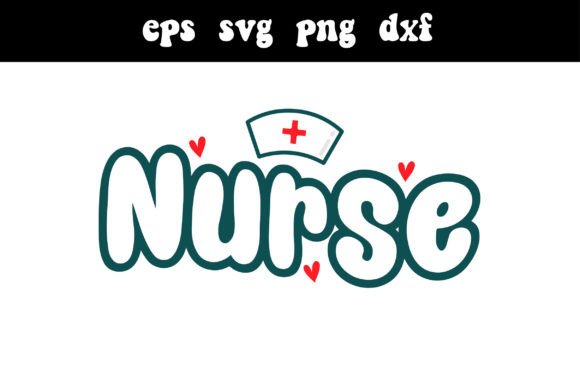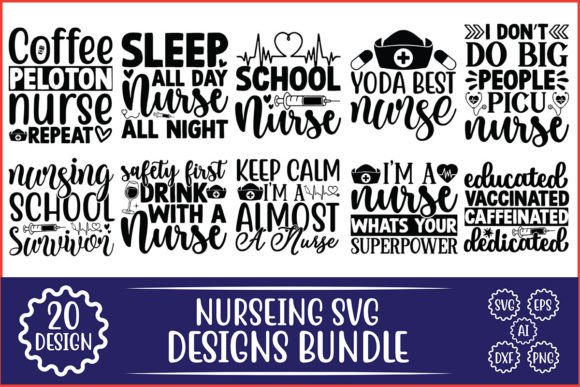
I Love Nursing, Nurse SVG Designs
A Designer’s First Look: Clean, Warm, and Purpose-Driven
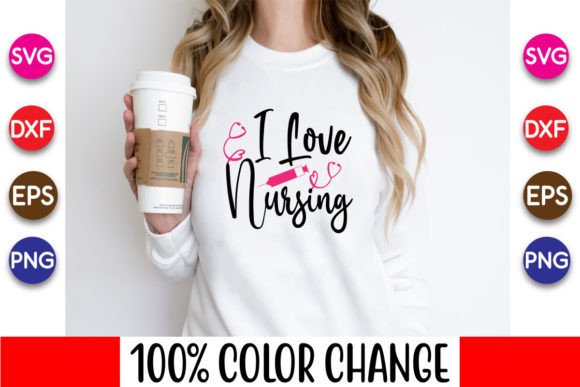
When I opened the I Love Nursing, Nurse SVG Designs file set, my eye went straight to the balance—soft curves in the lettering, a subtle heart integrated into the “O” of “Love,” and clean, uncluttered lines that suggest confidence without stiffness. It’s not overly cutesy, nor is it clinical or cold. That matters—especially when you’re stitching this onto a nurse’s personalized tote bag for a hospital orientation gift or embroidering it on a baby onesie for a pediatric RN’s shower. The design breathes. It doesn’t fight the fabric; it invites it in.
Where This Design Earns Its Keep—in Real Projects
I tested I Love Nursing, Nurse SVG Designs across three real-use scenarios: a medium-weight cotton twill apron for a boutique clinic gift shop, a 100% cotton crewneck sweatshirt for a nursing school graduation pop-up, and a linen tea towel for a handmade holiday market stall. In each case, the SVG translated cleanly into an embroidery file—no jagged edges, no collapsed curves during vector conversion. The letterforms hold up beautifully in satin stitch, especially the rounded terminals and gentle spacing between “I” and “Love.” There’s just enough visual weight to read clearly at 3–4 inches wide, but not so much density that it overwhelms lightweight fabrics.
This isn’t a design that shouts—it supports. On the apron, it sat perfectly above the pocket, legible but not dominant. On the sweatshirt, it looked intentional and polished, not like an afterthought added to fill space. And on the tea towel? It gave warmth and quiet professionalism—exactly what healthcare-adjacent handmade goods need.
What Works—and What Needs Thoughtful Handling
I Love Nursing, Nurse SVG Designs shines on stable, medium-to-heavy fabrics: denim, canvas, terry cloth, structured cotton blends. It holds up well on embroidered patches (great for badge reels or scrubs pockets) and pillow covers where crispness reads as care. For baby embroidery, I’d recommend using it on bodysuits with tear-away stabilizer and low-density fill—its open layout avoids stiff, bulky stitching that irritates delicate skin.
But here’s where attention matters: avoid using it full-size on stretchy knits (like jersey tees) without proper cutaway stabilizer and adjusted tension. The curves can distort if the fabric shifts mid-stitch. Also, tiny hoop sizes (<3”) will force compromises—either shrinking the design until letter spacing feels cramped, or cropping parts unintentionally. If you're planning caps or curved surfaces, test the top arc of the heart and the baseline of “Nursing” first—those are your stress points.
Dark fabrics? No problem—just confirm your thread colors contrast well. I ran a quick black-and-white mockup and found the design retained its shape and warmth even without color cues. That’s a sign of strong silhouette design, which translates directly to trustworthiness in your finished product.
Why It Builds Value—Not Just Visuals
As a designer who sells custom embroidery services and digital design assets, I pay close attention to how a graphic affects perceived value. I Love Nursing, Nurse SVG Designs elevates handmade presentation because it looks intentionally crafted—not templated. Customers notice that difference. When someone buys a personalized gift with this design stitched on a linen pouch or embroidered patch, they don’t see “generic nurse clipart.” They see recognition, respect, and thoughtfulness.
For Etsy sellers and small shop owners, that nuance converts. It aligns with brand consistency for healthcare-themed shops, wellness boutiques, or graduation-focused craft businesses. And because it’s versatile across formats—SVG for print-on-demand mockups, PNG for social previews, EPS for vector scaling—it serves both physical and digital product needs. Just remember: if you’re selling finished embroidered items commercially, verify licensing terms before listing. The product description says “Hi-quality unique svg Design”—but always double-check usage rights for resale.
Practical Notes from My Embroidery Workbench
- Always test first: Run a sample on scrap fabric matching your final project’s weight and texture—even if it’s just one letter.
- Stabilizer is non-negotiable: Use cutaway for knits, tear-away for stable wovens, and fusible + tear-away for lightweight linens.
- Check small details: Zoom in on the heart’s inner curve and the crossbar of the “t” in “Nursing”—these are common trouble spots in converted embroidery files.
- Review stitch density: If your digitizer packed too many fill stitches into the heart or letters, it’ll pucker. Aim for balanced coverage—not maximum coverage.
- Hoop size matters: Measure your design width against your machine’s max hoop capacity before digitizing. Don’t assume “SVG = ready-to-embroider.”
- Thread color contrast: Try it in navy on ecru, heather gray on white, or soft rose on charcoal—this design thrives in muted, thoughtful palettes.
- Mock it digitally: Drop the PNG into a printable mockup of a tote, cap, or pillow cover. Does it feel balanced? Does it scale naturally?
A Final Thought—This Isn’t Just Graphics. It’s Gratitude.
In the Crafts category, especially within Graphics meant for embroidery and personalization, emotional resonance is part of the function. I Love Nursing, Nurse SVG Designs delivers that quietly—no slogans, no clichés, just sincerity shaped into clean, stitch-friendly form. It fits seamlessly into custom apparel, holiday embroidery, boutique branding, and heartfelt gifts. It works for the nurse who’s been on her feet for 14 hours, the student celebrating her first clinical rotation, and the family honoring a caregiver during Nurses Week.
That’s why, after reviewing dozens of nurse-themed designs this season, this one stays in my active project folder. Not because it’s flashy—but because it’s reliable, respectful, and ready for real work.