Medical Walker: A Design Review for Embroidery Projects
When a design lands on my screen, I don’t just look at the preview—I mentally stitch it out. I think about thread paths, fabric pull, how a customer will react to the finished product, and whether the mood translates into something people actually want to wear or gift. The Medical Walker design arrived as a clean, logo-style template, and I immediately started imagining it on a tote bag, a patch, or even a lightweight sweatshirt meant for a healthcare professional. It’s not a typical decorative motif, and that’s exactly what makes it interesting for embroidery work.
First Glance: The Look and Feel of a Medical Walker Motif
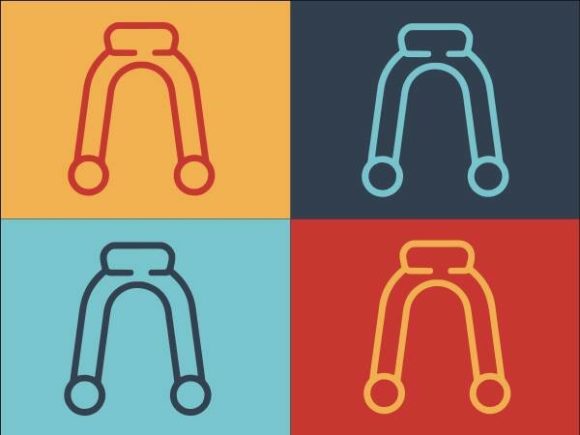
Right away, the Medical Walker visual reads as elegant and modern, with a shape that feels both recognizable and streamlined. The theme is supportive without being overly clinical. There’s a quiet dignity in the lines—it doesn’t scream medical device, but it clearly references mobility and care. The layout is simple enough to stitch cleanly, yet the silhouette carries enough detail to feel intentional, not generic. This isn’t a fussy illustration; it’s a confident, graphic statement that would work well on products where clarity matters as much as sentiment.
The mood is steady and reassuring. For embroidery, that means the design doesn’t rely on ultra-fine gradients or photographic realism, which is a relief. It leans toward a bold, silhouette-driven approach with room for a few well-placed stitch types. The visual personality feels adaptable—unisex, professional, and rooted in everyday life rather than a fleeting trend.
Finding the Right Fabric and Project Match
I always match a design to a project before I even thread a needle. The Medical Walker design naturally belongs on products that honor caregivers, celebrate mobility milestones, or bring comfort to someone navigating recovery. Think about a personalized tote bag for a physical therapist, a zip pouch for a walker accessory, or a simple cotton pillow cover for a senior living community. The graphic works beautifully on medium-weight fabrics like canvas, twill, or quilting cotton, where the stitch definition stays crisp and the design doesn’t get lost in texture.
For apparel, a sweatshirt or a structured t-shirt feels like a smart choice. The design’s clean lines hold up well on knit fabrics if you use a proper cutaway stabilizer and avoid excessive density. I’ve seen similar motifs shine on aprons for home health aides, tea towels for occupational therapy clinics, and even lightweight baby blankets where the message is about gentle support rather than a literal medical item. The key is to let the symbolic shape do the work—the walker silhouette instantly communicates care, resilience, and forward movement.
When You Should Proceed with Caution
Small hoop sizes will test your patience with this design. If the Medical Walker motif includes fine inner lines, narrow connectors, or any tiny lettering, those details can disappear once you shrink the design below four inches wide. Stitch density becomes a real concern on thin fabrics like rayon, lightweight jersey, or anything with too much drape. On dark fabrics, thread color contrast is everything—if you choose a medium-gray thread on black, the silhouette might recede instead of pop. Test the design on a scrap of the actual fabric before committing to a final piece.
Curved surfaces, like caps or the edge of a tote bag pocket, can distort the walker shape if the digitizing isn’t adjusted for those specific contours. Also, avoid placing this design on highly textured towels or fleece unless you’re comfortable with a slight loss of edge definition. The graphic personality depends on clean lines, and napped fabrics can blur the message.
Real-World Embroidery Test: A Senior Care Tote Bag Project
Let me walk you through a project I mocked up. A client runs a small boutique that sells curated gift boxes for families moving loved ones into assisted living. She wanted a set of canvas tote bags embroidered with something meaningful but not overly sentimental. I pulled the Medical Walker design, digitized it with a mix of satin-stitch borders and a lighter fill for the interior, and stitched it on a natural cotton tote in a soft slate-blue thread.
During the test, I noticed the design’s open shape allowed the fabric to breathe, so there was zero puckering even without a heavy topping. The satin-stitch outline gave it a polished, almost boutique-brand feel, while the fill kept the piece lightweight enough to fold and rinse without stiffness. The client’s reaction told me everything: she saw dignity and thoughtfulness in the image, not just a medical symbol. That’s the kind of emotional clarity you want when you’re selling a handmade product or a personalized gift.
On a second sample, I tried the design on a light gray sweatshirt with a charcoal thread. The contrast was sharp, and the motif felt like a private nod to someone’s strength—a wearable reminder that felt inclusive rather than niche. For Etsy sellers or craft fair vendors, this is the kind of design that sparks conversations and builds customer trust because it feels authentic, not mass-produced.
How Medical Walker Elevates Handmade and Commercial Products
What a design communicates is often what decides whether a buyer clicks “add to cart” or a recipient keeps an item in regular rotation. The Medical Walker image adds a layer of intentionality to a product. On a handmade patch, it turns a simple accessory into a statement of support. On a customized apron, it signals a brand that understands caregiving as a profession. On a baby onesie, it can be a gentle tribute to a grandparent’s journey—subtle, warm, and deeply personal.
From a business perspective, the design’s versatility means you can use it across multiple product types without diluting your shop’s identity. You can place it on a tote bag, a pillow cover, a holiday ornament, or a printable mockup for a digital product preview. The recognition factor is high, and because the shape is simple, it stitches quickly—a real advantage when you’re producing multiples for a craft fair or a wholesale order.
Commercial embroidery also benefits from the clean, logo-style structure. If you’re decorating uniforms for a home healthcare agency or creating branded merchandise for a physical therapy clinic, the Medical Walker design offers a professional, understated look. It doesn’t distract from other branding elements, and it reinforces a message of mobility and care without resorting to clip-art clichés.
Essential Pre-Stitch Checks for Designers and Sellers
Before you let this design touch your best fabric, do a few groundwork checks. First, confirm the file format. The product description mentions SVG compatibility and use with software like Inkscape, Gravit Designer, Adobe Photoshop, and similar programs. That tells me it’s a vector-based logo template meant for print and digital use. For embroidery, you’ll need to either digitize the graphic yourself or ensure you have an embroidery-specific file that translates the shapes into stitch commands. Always clarify the license terms—whether you can use the design on physical products for sale, include it in digital mockups, or modify it for custom client work. Don’t assume; check.
Test the design in black and white first. Look at how the contrast holds up on a light background versus a dark one. If the inner details disappear, adjust the stitch angle or add a subtle outline. Review the stitch density: too much fill can make a tote bag feel boardy, while too little can leave gaps. Hoop size matters—measure the design’s longest dimension and add at least an inch of clearance around the hoop to avoid registration issues. A medium-weight cutaway stabilizer is my go-to for woven fabrics, while a no-show mesh stabilizer works well for lighter knits.
Thread color choices can shift the entire mood. Soft neutrals keep the design airy and modern; earth tones make it feel grounded and warm; a single bright accent color can draw the eye to a specific part of the walker shape. Test on a scrap of the actual product fabric, wash it once, and inspect the edges. If anything frays or puckers, adjust the underlay or choose a different backing.
The Final Verdict on Medical Walker for Embroidery
I look at a design and ask: Does it make someone’s handmade item more meaningful? The Medical Walker does exactly that. It’s not a generic flowers-and-butterflies motif; it speaks to a real experience, and it does so with a quiet elegance that translates well into thread. For craft business owners, it opens up a niche that’s often underserved—products that celebrate mobility, caregiving, and resilience without feeling overtly medical.
Use it wisely on well-chosen fabrics, respect the stitch limitations, and pair it with colors that reinforce the message. Whether you’re stitching a single patch for a walker bag, a set of tea towels for a therapist’s office, or a batch of sweatshirts for a small shop, this design carries weight. It turns a simple embroidery project into a product that feels thoughtful, professional, and deeply human.