Or Nurse Svg: A Designer’s Review for Real Stitch Projects
I opened the file this morning with a specific project in mind: a custom tote bag for a client who just completed her first year in the operating room. The kind of gift that needs to feel personal, clean, and instantly recognizable. The Or Nurse Svg, Operating Room Nurse Svg caught my attention because it promised exactly what I look for in a medical-themed embroidery design—a clear message, a professional silhouette, and nothing fussy that would distract from the stitch quality.
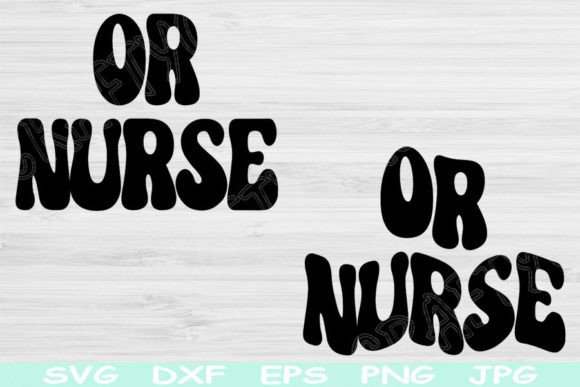
What I saw in the design file matched that expectation. The artwork reads “OR nurse” with a simple, confident wave motif that feels friendly without being cutesy. That balance is hard to get right in healthcare designs. Too serious, and the product feels cold. Too playful, and it loses the professional pride a nurse feels wearing it. This design sits in the sweet spot, and that matters when you are planning a finished product that someone will actually use and show off.
First Look: Shape, Mood, and Visual Personality
The composition feels intentional. The typography is bold enough to read clearly at a glance, and the wave element adds movement without complicating the stitch path. From an embroidery perspective, I immediately started thinking about how the letters would translate under thread. The spacing looks open, which helps prevent thread crowding in small letter openings—a common issue with text-heavy designs that get reduced too aggressively.
The mood is cheerful, professional, and specific. This is not a generic nursing graphic. It speaks directly to operating room nurses, and that specificity is a huge advantage for craft businesses. A design that names a specific role connects faster with buyers than a broad “nurse” label. I have seen this play out at craft fairs: a shopper scanning a table of embroidered items will stop when they see their exact job title. The Or Nurse Svg, Operating Room Nurse Svg gives product makers that kind of stopping power.
Where This Design Belongs in Real Projects
I tested the visual fit on several product types in my head before ever loading the hoop. The layout works best on medium-to-large flat surfaces. Here is where I would confidently place this design:
- Custom sweatshirts for OR nurses during cooler months
- Canvas tote bags for work essentials and shift gear
- Unstructured caps with a centered front placement
- Kitchen towels as a playful nurse-themed gift
- Pillow covers for a personalized break room or home decor piece
- Aprons for a surgical team member who loves to cook
- Embroidered patches for scrub jackets or badge holders
What I would avoid is placing this on extremely curved surfaces like a cap bill or a narrow sleeve hem where the text might distort. The wave element, while visually appealing, could lose its shape on a seam or a heavily textured knit. I always test a design on a flat scrap piece first, and I would recommend the same here before committing to a curved garment.
For baby embroidery or nursery decor, this design could work beautifully on a small blanket or a framed hoop art piece celebrating a parent who works in the OR. The handwriting-friendly feel of the typography makes it soft enough for a child’s item without looking out of place.
Stitching Reality: What Happens When Thread Meets Fabric
Let me walk through what I see happening when this design actually stitches out. The text is the star here, so thread color choice becomes critical. On a dark fabric—say a navy sweatshirt or a charcoal tote—I would choose a bright white or a light teal thread to make the letters pop. On a light background, a deep surgical green or a rich navy thread would tie the design back to the operating room aesthetic naturally.
I always recommend testing on the exact fabric you plan to use. A satin stitch on the letters will look crisp on a stable woven fabric, but on a stretchy knit, you need the right stabilizer and possibly a running stitch underlay to keep the edges clean. Without a proper test, the wave detail could lose its curve on a plush towel or a textured canvas. I have learned this the hard way: a design that looks perfect on the screen can turn into a blurred mess on a fluffy surface if you skip the test run.
The stitch density in the original file matters a lot. I always check how the designer handled the letter interiors. If the density is too high, the fabric puckers. If too low, the thread barely covers the fabric. Since I cannot see the exact digitizing here, I would stitch a sample before running a batch of products. That advice applies to any machine embroidery design you plan to use for commercial embroidery or client work.
The Real-Life Scenario: A Custom Tote That Tells a Story
Let me paint the exact picture that made me reach for this design. My client wanted a personalized tote bag for her daughter, who works twelve-hour shifts in an operating room. The bag needed to hold a change of clothes, a water bottle, and a small pouch of personal items. More importantly, it needed to feel like a celebration of her profession.
I visualized the Or Nurse Svg, Operating Room Nurse Svg centered on the front pocket of a natural canvas tote. The wave detail would give the design a gentle, human touch—something that says “I see you” rather than just labeling a job title. I pictured the finished product sitting on a craft fair table, catching the eye of a nurse walking by. That kind of emotional connection is what turns a handmade product into a personalized gift someone remembers.
For an Etsy seller or a small shop product line, this design fits perfectly into a collection of role-specific nurse designs. You could offer variations: OR nurse, ER nurse, ICU nurse, each with its own subtle element. The wave here makes the OR version distinct, and that distinction helps with buyer engagement and search visibility in a crowded market.
Fabric and Color Considerations That Affect the Final Look
One thing I always evaluate is how a design behaves across light and dark backgrounds. I recommend testing the Or Nurse Svg, Operating Room Nurse Svg in a black-and-white mockup before committing to thread colors. The wave element needs enough contrast to stay visible, especially at smaller sizes. If you are stitching on a textured fabric like a waffle weave towel, the wave could blend into the texture unless you choose a bold thread color and use a topper to keep the stitches sitting on top of the pile.
On stretchy fabric like a performance tee or a thin knit, I would use a cutaway stabilizer and baste the fabric to the stabilizer before stitching. The design has clean lines, and those lines need a stable foundation. A tear-away stabilizer alone might not hold up through repeated washings, especially if the item becomes a favorite work bag or a frequently worn sweatshirt.
For dark fabric projects, I would also consider a light underlay thread to prevent the base fabric from showing through the top stitches. This is a small detail that makes a huge difference in the professionalism of the finished piece. Customers notice when thread coverage looks solid and intentional.
Small Business and Commercial Use Notes
If you are a craft business owner or a digital product seller, you already know the importance of licensing. Before you list a finished shirt or a downloadable mockup, confirm what the seller allows for commercial embroidery use. This file is described as a digital artwork file that can be used to make your items, which suggests a flexible license, but I always verify the terms before selling anything. A quick check protects your shop and your reputation.
For printable mockup creators and design assets sellers, this design could photograph beautifully on a flat-lay tee or a framed hoop display. The graphic quality of the text and wave would translate well to a product preview image, helping potential buyers visualize the finished item before they click “add to cart.”
I also see this design working for holiday gifts—think Nurse Appreciation Week, graduation, or a holiday bundle for medical professionals. Pairing it with a matching scrub cap or a small embroidered zipper pouch would create a cohesive gift set that feels thoughtful and curated.
Practical Designer Notes to Keep Handy
Before you stitch the Or Nurse Svg, Operating Room Nurse Svg onto a final product, run through this checklist. It saves me from costly mistakes, and it will save you too:
- Test on scrap fabric first—same fabric type, same stabilizer, same thread brand.
- Check thread color contrast—view the stitched sample under natural light and indoor light.
- Review stitch density—watch for puckering around the letters and the wave curve.
- Confirm hoop size—make sure the design fits comfortably in your available hoop without crowding the edges.
- Inspect small details—the wave element and letter openings need to stay clean at the stitch size you choose.
- Test on light and dark backgrounds—a design that looks great on white canvas might disappear on a black tee.
- Use proper stabilizer—cutaway for knits, tear-away for wovens, and a topper for fluffy textures.
- Check licensing—verify what you can make and sell before starting a large production run.
Honest Assessment: What This Design Gets Right
After evaluating the file and imagining it through multiple project lenses, I can say the Or Nurse Svg, Operating Room Nurse Svg earns its place in a designer’s toolkit. The typography is readable, the wave adds personality without clutter, and the theme is specific enough to attract a dedicated buyer. It works for apparel decorators who want a quick design that looks custom, and it works for hobbyists making a one-off gift that feels special.
The crafts category placement makes sense here. This is a graphics file that bridges the gap between digital design and tangible making. The real value lies in how it performs under thread, not just on a screen. From what I see, it holds up well to that test.
If you are building a collection of medical-themed designs for your shop, or you need a single standout piece for a client project, this file deserves a spot on your shortlist. Stitch it thoughtfully, choose your fabric and thread with care, and the result will be a finished product that a nurse reaches for with pride.