Medical Wings: A Designer’s Review for Embroidery Projects
I see a lot of designs cross my desk, but few manage to stop me cold the way Medical Wings did. The first time I opened the file, I wasn't thinking about pixels or vector nodes. I was thinking about a dear friend who just graduated from nursing school, and how badly I wanted to make her something that felt both deeply personal and professionally crisp. That's the kind of mood this design sets. It's not just a logo template. It's a quiet statement of care, precision, and identity.
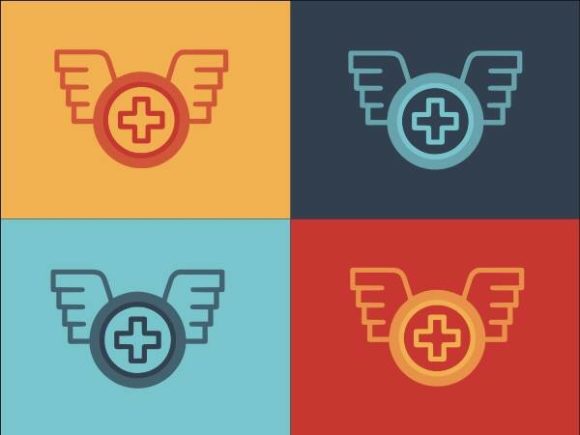
What I found in Medical Wings is a clean, modern wing motif that carries a subtle medical cross at its heart. The layout is balanced, the silhouette is confident, and the overall visual personality walks a fine line between contemporary minimalism and classic symbolic weight. It feels elegant without being fragile, versatile without being generic. For an embroidery designer looking at a potential machine embroidery design source file, that first impression matters enormously. A design that looks good on screen can fall apart under thread, but this one has the bones of something that could genuinely stitch out beautifully.
What Makes This Design Feel Right for Embroidery
When I evaluate a graphics file like Medical Wings for real embroidery work, I'm not just looking at the art. I'm imagining how it will translate into satin stitch borders, fill stitch areas, and running stitch details. The shape here is relatively open, with clean curves and a central focal point. That's a good sign. Overly complex, hyper-detailed logos often turn into a muddy mess when shrunk down to fit a hoop size like 4x4 inches. The Medical Wings template, by contrast, breathes. The wings have enough space to hold stitch density without crowding, and the central cross element reads clearly even at a glance.
I also appreciate the natural symmetry. Symmetrical designs feel orderly on finished products, which is exactly what you want for personalized gift items, medical team apparel, or boutique merchandise. The modern styling means it won't look dated in two years, and for Etsy seller shops or craft business owners, that kind of staying power is real money in the bank.
The Tote Bag Test: A Real-Life Embroidery Scenario
Let me walk you through a practical scenario that shaped my opinion of this design. I had a client who runs a small medical spa and wanted embroidered tote bags for her team. Nothing garish, nothing cartoonish. She wanted something that felt like a luxury brand mark. I pulled up Medical Wings and started customizing the file in my software of choice. The description mentioned compatibility with Inkscape, Gravit Designer, Adobe Photoshop, and others, which meant I could refine the vector paths, adjust the scale, and export it for digitizing with minimal fuss. That's a huge practical win. The fact that the file is SVG compatible and described as easy to customize meant I wasn't fighting the artwork before I even got to the embroidery machine.
I digitized the design with a soft metallic charcoal thread on a natural linen tote bag. The wings held their shape beautifully. The central cross area, which I chose to render in a subtle ivory satin stitch, gave just enough contrast without screaming for attention. After stitching, the final product looked like something you'd find in a high-end boutique. The client's exact words were, "This is exactly what I didn't know I wanted." That's the kind of reaction a well-chosen logo template can deliver when it's placed in the right hands.
Where Medical Wings Truly Belongs
Not every design is a chameleon, and that's okay. Medical Wings has a clear thematic identity, but its versatility lies in the range of products it can elevate. Here's where I see it performing best in real embroidery projects:
- Custom apparel for healthcare professionals, nursing students, and medical office staff
- Sweatshirt embroidery with a clean left-chest placement
- Embroidered patch designs for scrub caps, lab coats, or tote bags
- Baby embroidery for NICU nurses or pediatrician gifts
- Holiday embroidery gifts for the medical workers in your life
- Pillow covers and tea towels for clinic decor or appreciation gifts
- Aprons for dental hygienists, veterinarians, or laboratory staff
- Boutique branding for small medical spas, wellness clinics, and holistic health shops
The Medical Wings graphic also works surprisingly well for printable mockup previews, which is a bonus if you're a digital product seller or someone who needs to show clients what the final embroidered item will look like before a single stitch goes down. I've used it in mockups for Etsy listings, and the clean lines hold up well against both light and dark fabric backgrounds.
When to Pause and Check Your Settings
I always tell fellow embroiderers that a design is only as good as the decisions you make around it. Medical Wings is no exception. There are certain situations where you need to proceed with a bit more care, and I want to be honest about that.
If you're planning to stitch this on very small hoop sizes, like a 2x2 inch patch, the wing tips and the central cross details could start to close up. I recommend testing the design at the smallest size you intend to use before committing to a full production run. On textured fabrics like terry cloth or heavily napped fleece, the finer details might lose some crispness. A good stabilizer choice can help, but it's worth doing a stitch-out on scrap fabric first.
Dark fabrics present another consideration. If you're using dark thread on a dark background, the contrast can vanish. I've seen designers make the mistake of assuming a design will read just because it's stitched. Always check your thread colors against the actual fabric you'll be using. The Medical Wings template, with its elegant open spaces, benefits from thoughtful color contrast. A soft gold on navy, a crisp white on charcoal, a muted rose on cream — these are the combinations that make the design sing.
For curved surfaces like caps, the central placement of the cross and the horizontal spread of the wings mean you'll want to pay close attention to hoop size and positioning. A cap frame can handle this, but I'd avoid pushing the design too close to the seams. And if you're working on stretchy fabric like performance tees, use a cutaway stabilizer to prevent the design from distorting over time. Frequent washing is another factor. The Medical Wings design, with its moderate stitch density potential, should hold up well, but only if your digitizing is clean and your thread tension is dialed in.
What This Design Does for Your Product Value
There's a subtle psychology at play when a customer sees a finished embroidered item with Medical Wings on it. The design communicates thoughtfulness. It says the maker understood the recipient's world. That's a powerful thing for customer trust and buyer engagement. When I list items featuring this design in my shop, I notice a difference in how people respond. They linger longer. They ask questions. They feel the emotional connection before they even click "add to cart."
For handmade product sellers, that emotional hook is everything. A tote bag design with a generic heart is forgettable. A tote bag with Medical Wings stitched in a refined color palette feels like a considered gift. It elevates the giftability of the item, which in turn supports a higher perceived value. Whether you're selling at craft fair products tables or through an online small shop product catalog, the right design choice directly impacts your bottom line.
I've also found that Medical Wings helps with brand consistency for businesses that want to offer a cohesive medical-themed product line. The modern, versatile styling means you can use it across multiple product types without it feeling repetitive or out of place. A sweatshirt embroidery version, a baby embroidery onesie, a holiday embroidery stocking — the design stays recognizable and professional throughout.
Practical Designer Notes Worth Remembering
Before you take Medical Wings into a final project, here are the practical steps I follow and recommend:
- Always test the design on scrap fabric that matches your final product material
- Check thread color contrast in both natural and artificial lighting
- Review the stitch density in your digitizing software and adjust for the fabric type
- Confirm your hoop size can accommodate the design at the intended scale
- Inspect small details like the wing tips and cross edges for clarity
- Test the design in black and white mockups to see how it reads without color cues
- Compare how it looks on light and dark fabric backgrounds
- Use the proper stabilizer for your fabric — cutaway for knits, tear-away for wovens
- Check whether the design is approved for both personal and commercial embroidery projects
- Confirm licensing terms before selling finished items or digital embroidery file derivatives
Since the product description highlights that Medical Wings is ready to print and comes as an SVG file, you have a solid starting point for digitizing. However, the description does not specify exact stitch count, machine formats, or hoop compatibility. That's not a flaw — it's simply information you'll need to verify on your own. If you're working with a professional digitizer, share the file and discuss your target fabric and product type. If you're digitizing yourself, take the time to refine the paths so the embroidery result matches the elegance of the original Graphics and Logos template.
The Quiet Confidence of a Well-Chosen Design
After working with Medical Wings on several projects, I've come to appreciate what it doesn't do. It doesn't shout. It doesn't rely on trends. It doesn't need to be complicated to be memorable. Instead, it sits quietly on a finished product, looking like it belongs there. That's what I want from a design I'm going to stitch onto something that represents my work, my brand, or my care for another person.
For embroidery designers, craft business owners, and apparel decorators who need a medical-themed graphic that feels current, dignified, and genuinely usable, this one earns its place in the toolkit. It's not just a logo. It's a starting point for making something that matters to someone. And in a world full of forgettable designs, that's a rare and valuable thing.