PICU Nurse Svg in Progress Loading Dxf: A Designer’s Review
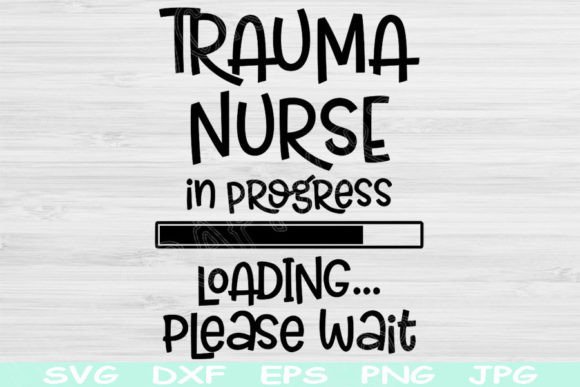
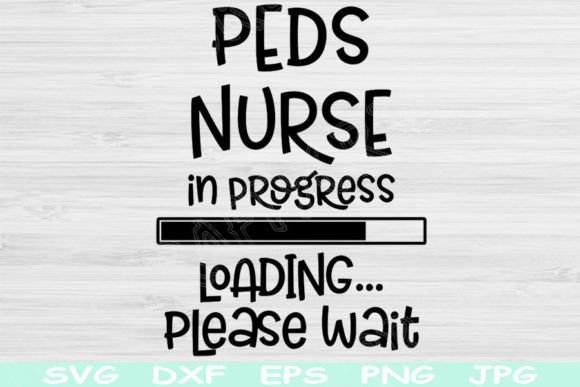
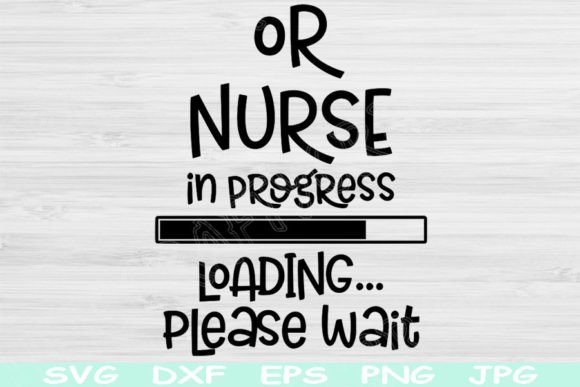
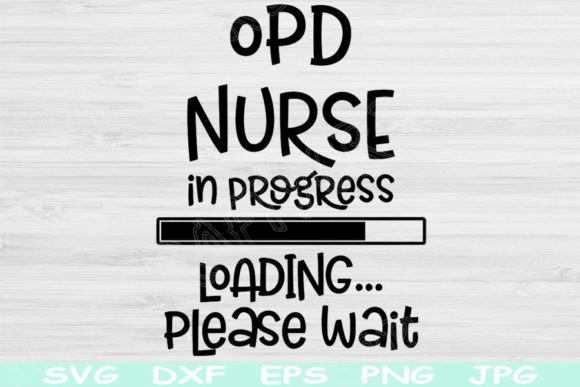
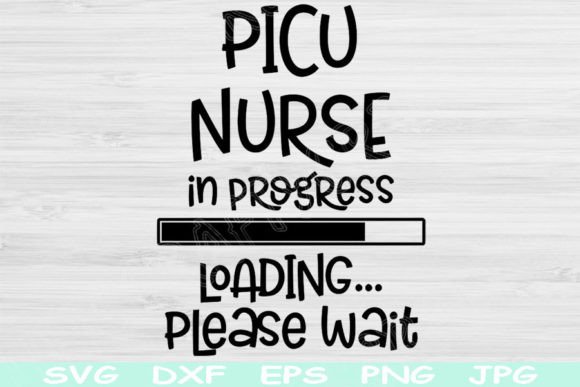
There’s a certain kind of magic in a design that feels instantly personal. When I first opened PICU Nurse Svg in Progress Loading Dxf, I wasn’t just looking at a graphic. I was picturing a freshly stitched sweatshirt, a worn tote bag, a patch that someone would trace with their thumb because it meant something. That’s the real test for any embroidery project — does it hold up in the world, on fabric, in daily life, not just on a screen? This design, with its playful loading bar and message that reads “PICU nurse in progress loading please wait,” has a lot of that quiet, everyday meaning baked right in.
The mood is one of gentle pride and humor, something that speaks directly to the heart of a pediatric intensive care nurse, or to the family and friends who love them. The layout is straightforward: a loading bar graphic with the text, laid out in a way that feels balanced and easy to read. There’s no clutter, no overly ornate flourishes — just a clean, modern statement. That simplicity is a huge asset when you’re thinking about how the design will translate into stitches. Fine lines, tiny serifs, and ultra-detailed shading can become muddy on fabric, but this design promises clarity. It’s the kind of visual personality that works best when it’s bold, crisp, and unapologetically itself.
I could see this file being used in a dozen different ways. A custom apparel piece for a nursing student, a handmade product for a PICU nurse’s graduation, a personalized gift mug or tote that says “I see you” without a single word. The in progress loading phrase is clever — it’s a nod to the long hours, the intense training, the constant learning. It’s a design that doesn’t just decorate; it tells a story. That’s the kind of thing that makes a customer hit “add to cart” on an Etsy listing, or that turns a craft fair browser into a buyer.
Real Project Scenario: The Sweatshirt That Says It All
Let me walk you through a real scenario. I’m planning a gift for a friend who just started her first year in a PICU. She’s overwhelmed, excited, exhausted — exactly the person who would laugh at the phrase “loading please wait.” I want to make her a soft, crewneck sweatshirt in a heather gray, something she can throw on after a shift. PICU Nurse Svg in Progress Loading Dxf would sit right in the center of the chest, maybe 5 inches wide, in a deep teal thread that matches her hospital scrubs. The loading bar would be a satin stitch outline with a fill stitch for the progress bar itself, and the text would be a clean running stitch or a narrow satin stitch, depending on the digitizing.
I’m already thinking about how the fabric will take the stitching. French terry or a mid-weight fleece is stable enough to hold the design without puckering, but I’ll need a good cut-away stabilizer on the back to keep the stitches from sinking into the soft texture. The design’s open layout means there’s plenty of room for the fabric to breathe between letters, which reduces the risk of tunneling or distortion. That’s a big win for something that will get washed dozens of times.
How the Design Performs in Real-Life Embroidery
When I evaluate a design for machine embroidery, I’m always thinking about the end user. How will this look after 20 washes? Will the text still be legible on a toddler’s tiny t-shirt? Can I scale it down for a cap without losing the message? With PICU Nurse Svg in Progress Loading Dxf, the biggest consideration is the text size. The phrase “PICU nurse in progress loading please wait” is a longer string of words, and if you try to squeeze it into a 3-inch hoop, the lettering might become too thin to stitch cleanly. I’d recommend keeping the design at least 4 to 5 inches wide for a tote bag design or sweatshirt embroidery. For a baby embroidery onesie, you might need to scale up slightly or use a larger placement, like across the back, to keep the text readable.
The loading bar itself is a great visual anchor. It gives the eye a place to rest, and it helps balance the text. If you’re working on a cap or a curved surface, you’ll want to be careful about placement — the bar needs to sit flat, otherwise the fill stitch might look uneven. I’d test it on a scrap piece of similar fabric first, just to see how the curvature affects the stitch density. For an embroidered patch, though, this design is practically perfect. You can stitch it on a sturdy twill background, add a merrowed edge, and create a patch that a nurse can put on a jacket, a backpack, or a lanyard. The bold, simple shape reads well from a distance, which is exactly what you want for a patch.
On dark fabric, the design will pop with a bright thread — white, light blue, or a neon coral would look energetic and fresh. On light fabric, a darker thread gives it a more subtle, polished look. I’ve found that the “loading” theme pairs beautifully with a soft, heathered oatmeal or a pale lavender, making the finished product feel modern and intentional. For a pillow cover or a tea towel, you could even use a subtle tonal thread that blends into the fabric, creating a tone-on-tone effect that feels elegant and understated.
Where to Use It — and Where to Pause
This design is a natural fit for a lot of craft business products. I can see it on a custom embroidered tote bag for a nursing conference, on a kitchen towel for a nurse’s home, or on a holiday gift ornament for a tree. For Etsy sellers and small shop product owners, this is the kind of listing that gets shared on social media because it’s relatable and specific. It’s not just a generic “nurse” design — it’s for the PICU, a specialty that resonates deeply with a tight-knit community. That specificity can really boost buyer engagement and customer trust because it shows you understand their world.
But there are moments when you need to be careful. If you’re working with stretchy fabric, like a ribbed knit, the text can warp if the stabilizer isn’t strong enough. A thin fabric like a lightweight jersey might show puckering around the dense areas of the loading bar. I always test on a similar fabric before committing to the final piece. Also, if you’re planning to use this on a small hoop size — say, a 4x4 inch space — you’ll need to check the lettering size carefully. The phrase “in progress loading please wait” has several small words, and if they become too tiny, satin stitches might merge or break. A running stitch digitized for small text can work, but only if the character height is still above about a quarter inch. Otherwise, it’s a gamble.
For commercial embroidery projects, where you’re producing dozens of items, the digitizing needs to be bulletproof. I’d recommend having a professional digitizer look at the stitch density and pathing. The loading bar’s fill stitch should be dense enough to look solid, but not so dense that it causes needle breaks on a production machine. The text should be digitized with careful underlay stitches to keep it crisp, especially on textured fabrics like a canvas apron or a blanket.
Thread, Color, and Mockup Quick Checks
One of the smartest things you can do before using PICU Nurse Svg in Progress Loading Dxf is a thread color test. I like to pull out a few spools — white, navy, mint, a soft coral — and hold them against the fabric I’m planning to use. The loading bar shape can handle a bold, contrasting color, but the text benefits from a shade that’s easy to read. If you’re working on a printable mockup for your Etsy listing, switch the design to black and white for a moment. Does the text still hold its weight? Does the loading bar separate visually from the words? If the design loses its hierarchy in grayscale, it might also lose it in thread on a subtly textured fabric. I always do this quick check before I digitize or list a product — it’s saved me from more than a few awkward orders.
For applique design lovers, you could take the loading bar into applique territory. Use a fabric piece for the bar’s outline, then stitch the text and the progress bar fill on top. That would give a really tactile, layered look on a quilt or a nursery decor item. The SVG and DXF file formats included in this Graphics product make it easy to pull into cutting software for Crafts like vinyl or heat transfer, so you’re not limited to just embroidery. As an embroidery designer, I appreciate that versatility — it means I can use the same design asset for a mixed-media project, combining a stitched outline with a heat-pressed applique shape.
The Giftability Factor and Brand Consistency
There’s a reason why designs like this become staples in a handmade product line. They’re not just trendy; they’re emotional. A personalized gift with this design — say, a mug with a small embroidered coaster, or a tote bag with a zippered pouch — feels thoughtful and tailored. The phrase “in progress loading” is warm, a little bit funny, and incredibly kind. It tells the recipient that you understand they’re still learning, still growing, and that’s not just okay, it’s worth celebrating. That kind of giftability is hard to manufacture, and when a design has it naturally, you don’t want to overcomplicate it with extra decorations. Let the message do the work.
If you’re building a craft business around niche medical designs, PICU Nurse Svg in Progress Loading Dxf can help you create real brand consistency. Pair it with a similar style for NICU nurses, ER nurses, or nursing students, and you’ve got a collection that feels cohesive. Use the same font style, the same loading bar motif, and the same placement guidelines across your product photos. That visual continuity makes your Etsy seller shop look professional and intentional, not like a random assortment of downloads. It also reassures buyers that you know what you’re doing — and that these designs are tested on real fabric, not just on a screen.
A Few Final Designer Notes
Before you stitch this out, run a test on scrap fabric. It’s the single most important step. Check your hoop size — if the design is too close to the edge, you’ll get registration issues. Check your stabilizer — for a sweatshirt, a cut-away is non-negotiable; for a tea towel, a tear-away might be enough. And check your thread colors under natural light, not just under your sewing lamp. The color that looks perfect in the evening might clash by morning. Also, confirm the digital embroidery file format you’re working with. This design comes as an SVG and DXF, which are design assets for cutting and graphics, not a ready-to-stitch embroidery file. You’ll need to digitize it yourself or have a digitizer convert it, which gives you full control over stitch types, density, and sizing. That’s a plus for experienced embroiderers, but it’s something to keep in mind if you’re new to the process. Always check the licensing terms too — make sure you’re clear on whether you can sell finished items, create digital embroidery file conversions for resale, or use the design in your commercial embroidery work. When in doubt, reach out to the seller. A quick conversation can save a lot of headaches later.
In the end, PICU Nurse Svg in Progress Loading Dxf is a design that understands its audience. It’s not trying to be everything to everyone, and that’s exactly what makes it so valuable for the right project. It’s a small, honest, human piece of art that translates beautifully into stitches, as long as you treat it with the care it deserves. Whether you’re making a single gift or stocking a whole shop, this one will earn its keep. Just remember to test, trust your instincts, and let the message shine through the thread.