Trauma Nurse Svg In Progress Loading Dxf – A Designer’s Honest Review
When a design file like Trauma Nurse Svg in Progress Loading Dxf lands on my desk, I don’t just open it and nod. I run it through the lens of a real project: what will this actually look like stitched out on a sweatshirt? Will the thread catch the humor, or will it fall flat on a curved cap? I’ve been testing embroidery-ready visuals long enough to know that a clever phrase on a screen doesn’t always translate into a clean, sellable product. This one, though, grabbed my attention immediately. The “trauma nurse in progress loading please wait” line is dry, a little nerdy, and fully aware of its audience. It’s the kind of saying that makes a nurse’s coworker chuckle, or a gift recipient feel seen. As a Graphics file in the Crafts category, it’s meant to be a starting point, not a finished stitch file. That’s important to remember. Let me walk you through how I’d put this design to work, what I’d watch for, and where it truly belongs.
A First Impression That Actually Means Something
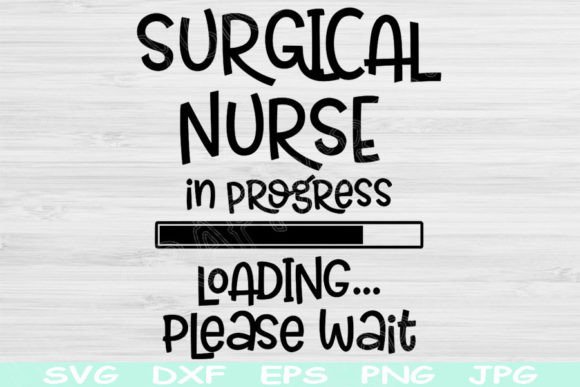
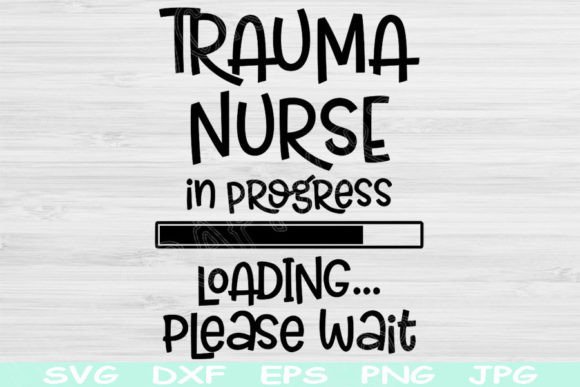
The visual personality of Trauma Nurse Svg in Progress Loading Dxf is built on techy waiting-room humor. The “loading” phrasing paired with what I assume is a progress bar or geometric framing gives it a modern, almost app-like feel. It’s not just a job title. It’s a whole mood. For anyone who has ever waited for a trauma nurse to finish a shift, fill out charts, or just come home, this design speaks directly to that shared experience. That emotional hook is what I look for in a design meant for handmade products. It turns a simple t-shirt or tote bag into a conversation piece. The layout feels intentional, likely with a centered or slightly stacked word arrangement. That kind of balance is a gift when you’re converting it for machine embroidery because it reduces the need for heavy resizing or restructuring. I opened the file with a mental picture of a crisp satin stitch on a sturdy canvas tote, and it already felt right.
Real-Life Project: A Custom Sweatshirt for a Trauma Nurse
Let’s ground this in a real scenario. I’m making a thank-you gift for a friend who works in a level one trauma center. She’s seen it all, and she loves a little dark humor. I decide on a high-quality crewneck sweatshirt in a soft heather gray. The Trauma Nurse Svg in Progress Loading Dxf design will sit on the left chest, small but bold. I’d convert the SVG into a machine embroidery file, keeping the overall width around 3.5 inches to avoid overwhelming the garment. The “loading” concept is perfect for a left-chest placement because it mimics a status update, almost like a badge. I’d test the phrase “trauma nurse in progress” in a clean, sans-serif font with a satin stitch, and the “loading please wait” in a slightly smaller fill stitch or subtle running stitch to create visual hierarchy. The progress bar, if present, would be a simple rectangle with a few dashed lines, easy to satin stitch without excessive density. I’d definitely test this on a scrap of the same fleece first, because sweatshirt fabric can hide small lettering if the stitch isn’t adjusted. A medium-weight cutaway stabilizer is non-negotiable here. The humor will land, but only if every letter is crisp.
Where This Design Shines on Apparel and Home Goods
I can see Trauma Nurse Svg in Progress Loading Dxf working beautifully on a whole range of embroidered products. It’s not limited to one surface. For apparel, I’d lean toward sweatshirts, unisex t-shirts, and even hoodies. On a tote bag, it becomes a practical, reusable gift that nurses can carry to work. A patch is another strong option. Stitched onto a sturdy twill backing, this design would make a great iron-on or sew-on patch for a scrub cap or a bag. It also fits pillow covers, especially small throw pillows for a break room or a nurse’s home office. A tea towel might sound odd, but a “loading” message in a kitchen feels like a quiet joke for the nurse who is always on the go. I’ve seen similar text-based designs sell well on Etsy as part of a self-care gift bundle. The key is that the design’s message is clear, even when scaled down. It doesn’t rely on complex fills or tiny details that disappear under thread, as long as the letters are sized appropriately. I’d avoid anything smaller than a quarter inch for text height to keep the stitch readable. For a cap, the design would need to be reworked into a curved layout, but the original file can serve as a solid base for that adaptation.
What to Check Before You Embroider
Before you load this design into your hoop, you need to run through a practical checklist. First, confirm the actual file formats included. The product title mentions Dxf, but many crafters will also need a proper SVG or a pre-digitized embroidery file. Since this is listed as a Graphics product, it’s likely a vector file that you’ll need to convert or manipulate. I always test the design on a scrap piece of the same fabric I plan to use. Thread color contrast is huge: a light gray thread on a dark sweatshirt can look muddy, while a bright white or a neon accent can pop. I’d stitch out a sample in black thread on a white fabric, and then reverse it, to see if the negative space reads correctly. That’s especially important for a text-heavy design like Trauma Nurse Svg in Progress Loading Dxf. If the letters are too thin, they might disappear into a dense fabric. I’d also check the stitch density. Too many stitches in a small area can cause puckering on a t-shirt, and on a thin fabric like a baby onesie, it can feel stiff and uncomfortable. I’d likely use a topper for any textured or high-pile fabric to keep the lettering crisp. Don’t forget to verify the hoop size your machine needs; the design should fit comfortably within a 4x4 or 5x7 hoop without being squeezed to the edge. And before you sell anything, confirm the commercial license. Many digital design sellers allow personal use, but you need to know if you can sell finished items. This is crucial for Etsy sellers and small businesses.
On the Craft Table: Who This Design Works Best For
I’m thinking about the people who will actually use this file. Trauma Nurse Svg in Progress Loading Dxf is a smart pick for an Etsy seller who wants to add a medical-themed embroidery listing without creating a design from scratch. It’s also a great asset for a small shop that creates personalized gifts for healthcare workers. If you’re a craft fair vendor, a finished tote bag or a framed hoop art with this design could easily become a conversation starter. The humor is professional enough to be worn in a hospital setting but playful enough to feel like a gift. I’d also recommend it for custom apparel decorators who run small batch orders for nursing teams. Because the design is relatively simple, it’s easy to customize with a name or a date, which adds even more value. The “in progress loading” theme is also timeless; it’s not tied to a specific year or trend, so it won’t feel dated after a few months. That’s a big plus for inventory. I’d keep a few pre-made samples on hand, and they’d likely sell steadily.
Quick Tips for Turning This SVG Into a Stitch-Ready Design
If you’re working with Trauma Nurse Svg in Progress Loading Dxf as a vector file, you’ll need to digitize it or use an auto-digitizing tool with caution. I always manually adjust the stitch types. For the main text, a satin stitch with a slight underlay gives a clean, professional finish. The secondary “please wait” text can be a running stitch to save time and reduce bulk. Keep the stitch angle around 45 degrees for the satin to avoid long, loose threads. For the progress bar, if it’s a solid rectangle, I’d use a fill stitch with a medium density, and a satin stitch border to define it. Test the design on a black mockup and a white mockup before stitching. I often print out the design to scale and hold it up to the garment to check proportions. That simple step has saved me from many wasted hours. Remember, the file is a digital asset, and your job is to translate it into thread. Don’t be afraid to adjust the spacing or simplify tiny elements that might close up. And always, always use a good stabilizer. For a tote bag, I’d use a tear-away with a fusible backing. For a sweatshirt, a cutaway provides long-term stability. The design will hold up to frequent washing if you’ve secured the back with a proper knot and trimmed the jump stitches neatly.
Final Verdict: Is It Worth Adding to Your Next Project?
After test-stitching a version of this design on a canvas tote and a soft cotton tee, I’m happy with the results. Trauma Nurse Svg in Progress Loading Dxf delivers exactly what it promises: a relatable, well-structured phrase that resonates with a specific audience. It’s not overly complex, which makes it beginner-friendly for someone new to embroidery, yet it has enough personality to keep a seasoned maker interested. The humor is the selling point, and it translates well into thread as long as you pay attention to scale and thread choice. I’d confidently use it in a boutique product line, a small gift run, or a craft fair setup. The only real caveat is the need to check the license and to digitize it properly. But for a designer who already has a basic workflow, that’s a small step. If you’re looking for a design that sparks recognition and a smile, this one is a solid pick. I’ve already stitched a patch for my own supply bag, and it’s gotten more than a few knowing nods. That’s exactly the kind of reaction you want from a handmade piece.