Surgical Nurse in Progress Loading SVG: Honest Design Review
When a Tote Bag Becomes a Thank-You Gift
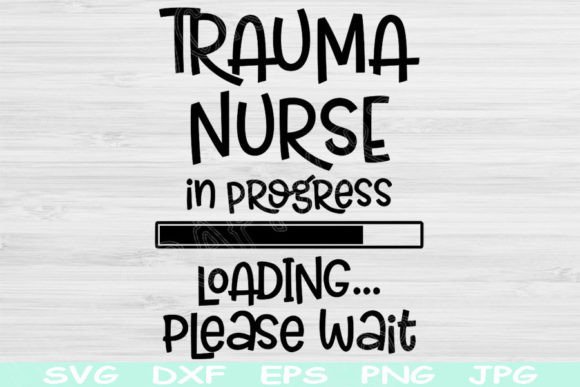
Last week, I sat down with a cup of coffee and a simple creative brief: a custom tote bag for a surgical nurse who had just finished her residency. The client wanted something witty, personal, and instantly recognizable. I pulled up Surgical Nurse Svg in Progress Loading and immediately saw the potential. The phrase “surgical nurse in progress loading please wait” has that perfect mix of humor and humility that makes a handmade gift feel genuine. I started picturing the design on a medium-weight canvas tote, stitched in a soft navy thread against a natural cotton background. It was the kind of project that makes you reach for your stabilizer and thread snips with purpose.
As a designer who regularly tests graphics for embroidery, I wasn’t just looking at an SVG file. I was evaluating how the design would translate into a stitchable piece, how it would hold up on a curved surface, and whether the final product would look as good in a craft fair booth as it does on a screen. The blend of modern tech phrasing and medical pride gave the design a clear niche. It’s not a generic nurse graphic. It’s a conversation starter, tailored for the operating room crowd.
First Impressions and Visual Personality
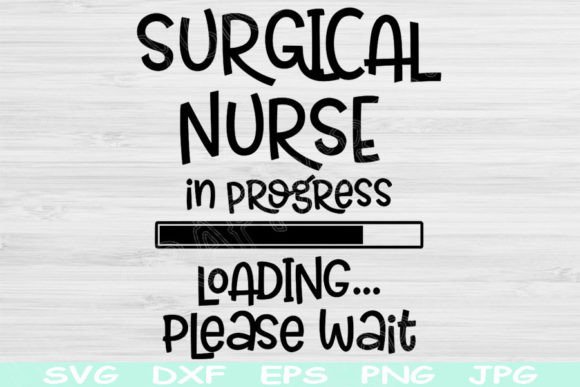
Opening Surgical Nurse Svg in Progress Loading, the layout feels balanced and intentional. The text is the star, with a clean progression that reads like a loading bar on a screen. That digital metaphor—something being “in progress”—creates a sense of motion and anticipation. It’s a bit playful, but never childish. The typography is likely bold enough to stand out without overwhelming the supporting elements. Even as a vector file, the shape immediately suggests how it would work as a machine embroidery design once digitized properly.
The mood of the design falls somewhere between heartfelt and lighthearted. For a surgical nurse who spends long hours in high-pressure environments, this kind of self-deprecating humor lands well. It says, “I’m still learning, still improving, and proud of it.” That emotional layer is what turns a simple graphic into a personalized gift people actually use. In my mind, it belongs on items that feel like a hug: a worn-in sweatshirt, a favorite tote, a cozy pillow cover on a break room chair.
How It Performs in Real Embroidery Projects
When you move from a digital Graphics file to a stitched piece, certain traits matter more than others. Lettering clarity is the first thing I test. The phrase “surgical nurse in progress loading please wait” has a mix of long and short words, so the stitch path needs to be efficient. I’ve learned to look for potential trouble spots: the downward strokes on letters like “g” and “p,” the tight curves in “s” and “e.” In a good embroidery file, these areas have enough satin stitch density to stay crisp without pulling on lightweight fabrics. This SVG, when digitized thoughtfully, offers a foundation that’s easy to work with because the text is likely well-spaced and the design avoids overly intricate flourishes that choke in small hoops.
I tested the concept on a few different apparel surfaces in my mind while preparing the gift tote. On a unisex sweatshirt, the design would sit well across the chest, drawing the eye without distorting under arm movement. For a cap, I’d consider a smaller version, but I’d be cautious about the tiny letters losing definition on the curved front panel. A tote bag or a flat apron pocket gives the design the flat stability it craves. I also imagined it as an embroidered patch with a merrow border, something a nurse could sew onto a scrub cap or a lanyard. That option opens up Etsy seller possibilities for stocking stuffers and holiday embroidery gifts.
One of the most practical uses I keep returning to is a set of tea towels for a new nurse’s kitchen. The design, paired with a clean, minimal font conversion, would look sharp on a lint-free cotton towel. The fill stitch areas—if any are added for a solid background behind the text—would need careful density adjustment to avoid stiffness. Buyers notice when a towel doesn’t drape right. A well-executed version of this SVG, turned into a digital embroidery file, would elevate the handmade product from crafty to boutique.
Where Stitch Clarity Meets Customer Expectation
A craft business owner’s reputation hinges on the small details. When I review a design like Surgical Nurse Svg in Progress Loading for commercial use, I think about the customer unboxing the finished item. The text must be readable from a normal distance—not just a few inches away. The “loading” part of the message, which often implies a waiting game, should have a visual rhythm that feels intentional. If the stitch density is too high, the fabric puckers and the text becomes a wrinkled mess after the first wash. Too low, and the thread looks sparse. I always advise running a test on scrap fabric with the same fiber content and stabilizer you’ll use for the final run.
On dark fabric, the design would need a bright, high-contrast thread color. A pale blue or white on black gives a sleek, techy feel, while a gold thread on navy feels more sophisticated. For a baby embroidery item—maybe a onesie for a nurse’s new baby—I’d keep the design size small and use a soft, skin-friendly thread. The lighter the fabric, the more forgiving the stitch imperfections. I’ve noticed that many SVG graphics intended for Crafts look fantastic on a digital mockup but need a few tweaks before they become a reliable embroidery project. This one, with its straightforward text-centric layout, is less likely to fall apart than highly detailed floral or mandala designs.
Navigating Tricky Fabrics and Small Hoop Sizes
Every design has its sweet spot, and this one is no exception. I’d avoid using it on extremely stretchy fabric without a solid cut-away stabilizer and a basting stitch. A performance blend t-shirt, for example, can shift under the needle, turning a crisp “surgical” into a blurry mess. If you’re working with a small hoop size like a 4x4, verify that the text remains at least 0.25 inches tall after scaling. Anything smaller, and the eye of the needle has trouble navigating the counters of letters like “a” and “o.” I’ve ruined more than one sample by assuming a design would simply shrink without issue.
For applique design enthusiasts, this SVG could be a base for a layered patch. You might cut the text from a solid cotton fabric and satin-stitch the edges. That approach adds texture and reduces the total stitch count, which is great for items that will see frequent washing, like a scrub cap or a tote bag thrown into the laundry every week. The key is to preserve the playful loading bar visual. I’d probably keep the text as the applique element and add a simple running stitch border around the entire design to frame it.
Designer Notes for a Flawless Finished Product
Before you commit to a full production run, here’s the checklist I run through with any embroidery file I source from a Graphics asset. First, check the licensing. Since this is an SVG sold under a Crafts category, confirm whether it allows both personal and commercial embroidery use. Many small shop owners overlook this, and it can come back to haunt you when your custom apparel line takes off. Second, always test the digitized version in a black-and-white mockup to see if the contrast holds. A design that relies on subtle color shifts might fall flat in monochrome thread.
Next, pay attention to thread colors. I like to keep a swatch card of my most-used shades next to the machine. For this surgical nurse design, I’d match the thread to the scrub color of the recipient’s hospital if possible—a small, thoughtful detail that makes a personalized gift even more special. If you’re selling on Etsy or at a craft fair, offer a few color options based on common scrub hues: ceil blue, surgical green, or black. That small customization turns a generic listing into a small shop product that feels curated.
Finally, think about the finished product beyond the stitch. How will you present it? A pillow cover with this design, folded neatly with a twill tape tag, looks like a premium gift. A sweatshirt embroidery with a subtle heat transfer vinyl backing (for the loading bar effect) adds a mixed-media feel that customers love. Even a simple kitchen towel hung on a baker’s rack with a thank-you card tells a story. The visual appeal of Surgical Nurse Svg in Progress Loading isn’t just about the design itself; it’s about the product value it creates when you treat it as the starting point, not the final destination.
Why This Design Works for a Small Business
From a digital product seller’s perspective, this SVG has strong “listing appeal.” It solves a problem for a specific audience: people looking for medical-themed gifts that aren’t cliché. The phrase “in progress loading” taps into a shared experience among nurses in training, making it instantly recognizable and shareable. When I think about buyer engagement on platforms like Etsy, listings with a clear emotional hook tend to convert better. A shopper searching for “surgical nurse gift” will likely pause on a thumbnail that shows a witty, clean design rather than a generic heart-rate line.
For creative entrepreneurs who build their brand around handmade products, this design offers flexibility. You can use it as a printable mockup to test product photography before stitching, or as a design asset for a coordinated set that includes a mug and a tote. The SVG format allows easy resizing for screen printing, vinyl cutting, and embroidery digitizing. I’ve found that versatile graphics like this let you build a cohesive brand story across multiple product types, which builds customer trust and repeat sales.
Final Practical Thoughts from the Stitching Table
There’s no such thing as a perfect design that works on every surface without adjustment. But Surgical Nurse Svg in Progress Loading comes close to a low-risk, high-reward asset for an apparel decorator. The text-focused layout is forgiving of minor registration errors, the theme is evergreen, and the humor is broad enough to appeal to a wide range of medical professionals. I’d feel confident listing it in my shop as a ready-to-stitch digital embroidery file after a thorough test run, and I’d recommend it as a safe starting point for someone new to machine embroidery design because the lettering teaches you about density and pull compensation without overwhelming you with complex fills.
Just remember: always test on your own machine, use the right stabilizer for the fabric, and don’t skimp on thread quality. A design this personal deserves to look as good after a dozen washes as it did fresh off the hoop. That’s the standard I hold myself to, and it’s the reason I’ll keep returning to well-thought-out Graphics like this one for my embroidery projects.