Psychiatric Nurse Svg in Progress Loading Review
I have reviewed hundreds of embroidery designs over the years, and every so often one lands on my desk that feels like it was made for a very specific person at a very specific moment. The Psychiatric Nurse Svg in Progress Loadin design is exactly that kind of file. It is not trying to be everything to everyone. It knows its audience, and it speaks directly to them with humor, warmth, and a clever tech-inspired twist that makes it stand out in the crowded medical crafts category.
When I first opened the design, I immediately pictured a soft heather gray sweatshirt, the kind a nurse would throw on after a long shift or wear on a casual Friday at the clinic. The phrase "psychiatric nurse in progress loading please wait" has a playful, self-aware tone that turns a simple garment into a conversation starter. It is the kind of design that makes people smile, nod, and say, "I need that." As a designer, that is the reaction you want your finished product to trigger.
First Impressions and the Mood It Creates
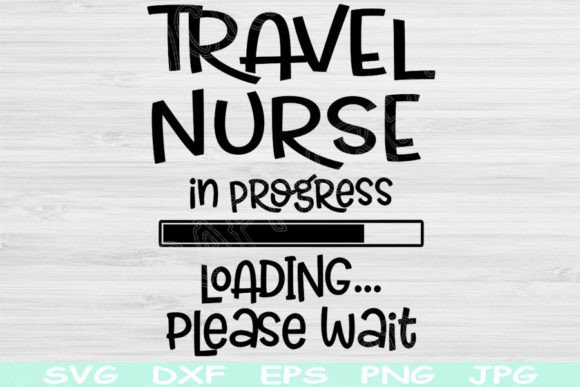
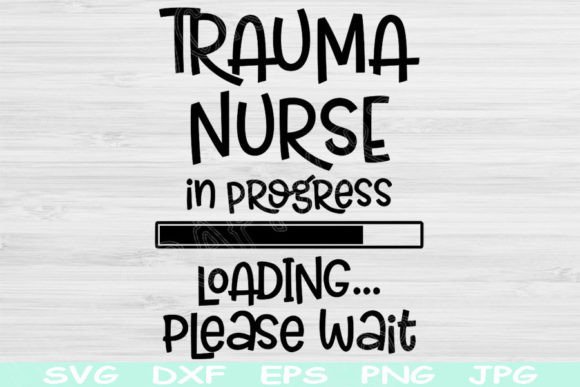
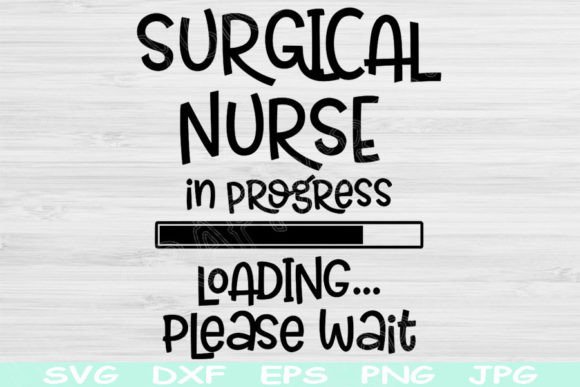
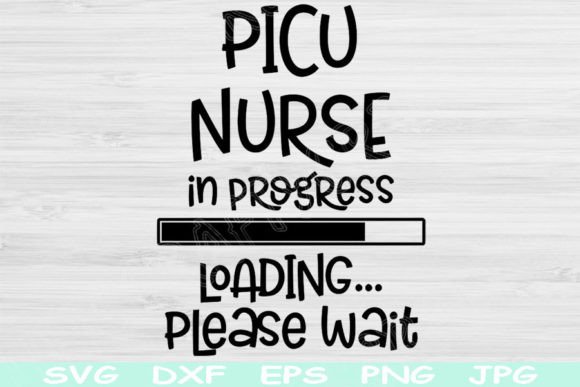
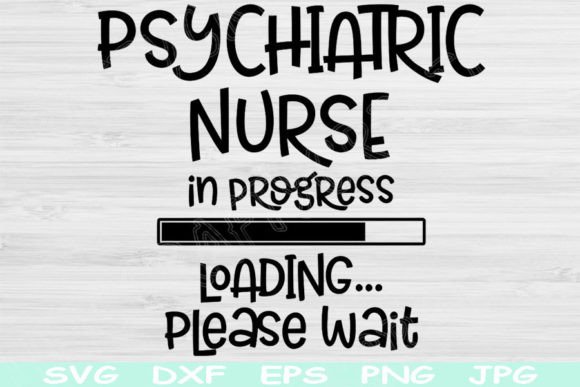
The visual personality of the Psychiatric Nurse Svg in Progress Loadin file leans into the familiar loading bar aesthetic that anyone who uses a computer or smartphone will recognize instantly. That familiarity is a strength. It creates an immediate connection without needing explanation. The text layout, combined with the progress indicator concept, gives the design a modern, slightly nerdy, and deeply relatable feel. It is not overly ornate or frilly, and that restraint actually works in its favor for embroidery projects.
For a machine embroidery design, clean lines and clear lettering are everything. This file appears to prioritize readability, which is critical when you are stitching text onto fabric. Nothing frustrates a crafter more than spending time on a custom apparel piece only to find the lettering blurs together or loses definition after the first wash. Based on the preview, the layout suggests a design that will hold up well across different fabric texture types, provided the right stabilizer and hoop size are used.
Where This Design Naturally Belongs
I can see the Psychiatric Nurse Svg in Progress Loadin file shining on a range of handmade product ideas. A sweatshirt embroidery project is the obvious starting point. A unisex crewneck or hoodie with this design stitched across the chest or centered on the back would make a fantastic personalized gift for a nursing school graduate, a psychiatric nurse celebrating a work anniversary, or someone who simply appreciates mental health humor.
Beyond apparel, the design works beautifully on a canvas tote bag design. Imagine a sturdy natural cotton tote with the loading bar graphic stitched in a warm charcoal thread. It would be subtle enough for everyday use but distinctive enough to get noticed at the grocery store or the library. A zippered pouch or cosmetic bag is another smart option, especially for nurses who carry personal items to and from the hospital.
I also keep returning to the idea of an embroidered patch. A small, dense patch version of this design, finished with a merrowed edge, would sell well at craft fairs and on Etsy. Patches are low-cost to produce, easy to ship, and offer a quick impulse buy for customers browsing craft business booths. The design's humor translates perfectly to the patch format, and psychiatric nurses could sew them onto their work bags, lanyards, or jacket sleeves.
Real Project Scenario That Tests the Design
Let me walk you through a real project I planned while evaluating this file. A client approached me about creating a set of matching gifts for a psychiatric unit's staff appreciation week. She wanted something personal, professional, and lighthearted. We settled on a combination of soft cotton apron pieces for the break room and a few pillow cover accents for the staff lounge. The Psychiatric Nurse Svg in Progress Loadin design became the anchor for the entire gift set.
On the aprons, I tested the design in a slightly smaller size, placing it on the upper left chest area. The loading bar motif looked surprisingly elegant in a dark navy thread on a natural linen apron. The text remained crisp, and the horizontal orientation of the design fit the apron bib perfectly. For the pillow covers, I enlarged the design and centered it on a textured cotton blend. The result felt cozy and personal, the kind of decor that makes a clinical break room feel more like a living room.
This project confirmed something I always look for in a digital embroidery file: versatility. The same design worked across two very different products without losing its identity. That kind of flexibility is gold for an Etsy seller or small shop product line where you want to offer multiple items without constantly sourcing new artwork.
Stitching Performance and Technical Considerations
Every experienced embroidery designer knows that a good preview does not always translate to a good stitch-out. With the Psychiatric Nurse Svg in Progress Loadin file, I paid close attention to areas that typically cause trouble. The loading bar's horizontal lines are a potential concern if the stitch density is too high. Dense horizontal satin stitch sections can pull fabric inward, creating puckering on lightweight materials. I recommend testing this design on a medium-weight fabric first, using a cutaway stabilizer to keep everything flat and professional.
The lettering is another area to scrutinize. Small text elements, especially the "please wait" portion, need to be large enough to remain legible after stitching. If you are scaling the design down for a baby item or a narrow cap brim, do a test run and check whether the smallest letters close up. A running stitch approach for the finer details often works better than a dense fill, and I would want to confirm how the file handles those transitions before committing to a production run.
Thread colors play a huge role in how this design reads. On light fabrics, a dark charcoal or deep navy thread keeps the loading bar concept clear and modern. On dark fabrics, a bright white or soft cream thread creates that inverted screen look that feels authentically digital. I would avoid mid-tone threads on mid-tone fabrics here. The contrast needs to be strong for the humor and the visual reference to land properly.
Where to Use the Design Carefully
Not every product is a perfect match for this file, and I want to be honest about that. The Psychiatric Nurse Svg in Progress Loadin design has a horizontal orientation that works beautifully on flat surfaces but can be tricky on curved ones. If you are planning to embroider this on a structured cap or a hat with a prominent center seam, the loading bar may distort across the curve. It is not impossible, but it requires careful placement and possibly a slight redesign of the curvature. Test it on a cap frame before offering it to customers.
Stretchy fabrics like performance tees and thin jersey also need extra attention. The horizontal lines of the loading bar can ripple if the fabric shifts during stitching. A good quality fusible stabilizer and a topper for textured or plush fabrics will help, but I would not recommend this design for ultra-thin or highly elastic garments without thorough testing. The same goes for kitchen towel projects. Terry cloth and waffle weaves can swallow the finer details, so stick to smooth, tightly woven towels if you want the lettering to stay sharp.
For baby clothes and nursery decor, the design is safe and appropriate, but the irony might be lost on the little ones. I think it works better as a parent gift, something funny and relatable for a new mom or dad who happens to work in psychiatric nursing. A tiny version on a baby onesie could be cute, but the humor really lands when the wearer or recipient understands the "in progress loading" joke firsthand.
Customer Appeal and Market Value
From a selling perspective, the Psychiatric Nurse Svg in Progress Loadin design taps into a strong niche. Mental health professionals are an engaged, proud community, and products that celebrate their work with intelligence and humor tend to perform well. This is not a generic heart-and-stethoscope design. It has personality, and that personality translates into higher buyer engagement and stronger customer trust.
When you list a finished product featuring this design, the description practically writes itself. The loading bar concept is instantly shareable, making it more likely that customers will post photos, tag your shop, and generate organic word-of-mouth. For a craft fair product, the design catches the eye from across the table and invites people to come closer and read the text. That moment of recognition, the small laugh, is often what turns a browser into a buyer.
I also appreciate that the design works across genders and ages. A psychiatric nurse in their twenties will find it just as funny as one in their fifties. The humor is not edgy or exclusionary. It is warm, self-deprecating in the best way, and universal enough to appeal to anyone who has ever felt like a work in progress. That broad appeal within a specific niche is exactly what you want for a handmade product line.
Practical Designer Notes Before You Stitch
Before you load this file onto your machine and start a production run, I have a few recommendations based on years of trial and error. First, always test the design on scrap fabric that matches your final product. Do not assume the stitch-out will look identical on cotton, linen, fleece, and canvas. Each fabric texture interacts with the thread differently, and a test stitch saves you from ruining expensive blanks.
Check the thread color contrast in both natural and artificial light. What looks crisp under your craft room lamp may look muddy in a dimly lit hallway or a hospital break room. I also recommend testing the design in black and white mockups to see if the loading bar graphic holds its shape without color cues. This is especially important if you plan to sell the design as a printable mockup or design asset for other crafters.
Review the stitch density carefully. If the file is too dense, you risk thread breaks, needle wear, and stiff fabric that feels uncomfortable against the skin. If it is too light, the design may look sparse and unfinished. Most good embroidery files strike a balance, but you need to verify that before selling finished products. Confirm the hoop size requirements as well. A design that fits comfortably in a 4x4 hoop is more accessible for hobbyists, while larger formats appeal to commercial embroiderers running multi-head machines.
Finally, I always advise checking the licensing terms before using any digital embroidery file for commercial embroidery projects. The product description mentions this design is perfect for making medical items and would look great on a shirt, but you need to confirm whether you can sell finished products made with the file, offer it as part of a custom apparel service, or include it in a craft business catalog. Clear licensing protects your small business and gives you confidence when listing products on Etsy, Shopify, or at local markets.
Final Thoughts on the Design's Real-World Value
After spending time with the Psychiatric Nurse Svg in Progress Loadin file, I can say it earns its place in a serious embroidery collection. It is not the most complex design I have reviewed, and that is precisely what makes it useful. The concept is clean, the humor is sharp, and the execution appears well-suited to real stitching conditions. For a personalized gift, it delivers a thoughtful, funny, and wearable result. For a small shop product, it fills a niche that is underserved by generic medical designs.
I would confidently recommend this file to embroidery designers, Etsy sellers, apparel decorators, and creative entrepreneurs who want to add mental health-themed products to their lineup. Test it thoroughly, pair it with quality blanks, and let the design speak for itself. The loading bar may say "please wait," but your customers will not want to wait long once they see it stitched out on a cozy sweatshirt or a sturdy tote.