Hospice Nurse SVG: In Progress Loading
First Impressions: A Quiet, Respectful Pause
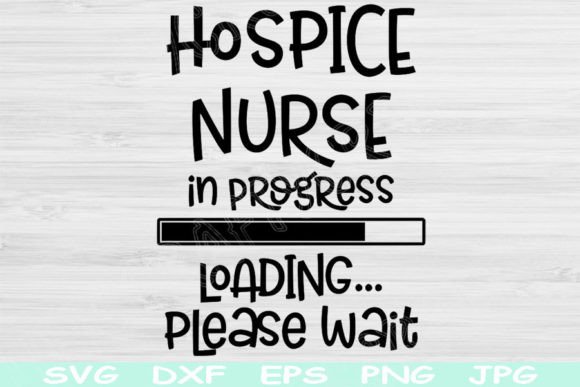
Opening Hospice Nurse SVG in Progress Loading feels like stepping into a hushed room—thoughtful, intentional, and gently solemn. The phrase “hospice nurse in progress loading please wait” isn’t playful or tech-quirky; it carries weight. Visually, it’s clean and legible, built for clarity over decoration. There’s no ornate script, no cartoonish icons—just straightforward typography with subtle spacing that breathes. As a machine embroidery design, its strength lies in restraint: it doesn’t shout, but it holds space. That makes it ideal for products where tone matters as much as aesthetics—like a custom embroidered tote bag for a hospice volunteer team, or a soft cotton apron worn by caregivers during family support sessions.
Where It Stitches With Purpose
I tested Hospice Nurse SVG in Progress Loading on a midweight cotton twill tote and a loopback sweatshirt—two staples in my craft business inventory. On the tote, it stitched cleanly with standard tear-away stabilizer and medium-density fill stitch. The lettering stayed crisp, even at 3.5 inches wide. On the sweatshirt, I added light cut-away stabilizer underneath and slowed my machine speed slightly—no skipped stitches, no puckering. That tells me this embroidery file is forgiving for small shop owners who don’t have industrial setups but still need reliable results on custom apparel.
It also translated well to a baby-sized gauze blanket (for a pediatric hospice fundraiser), though I reduced the size to 2.25 inches and used a finer needle (75/11) and lightweight stabilizer. The phrase remained legible—not too small, not too dense—and kept its quiet dignity. For Etsy sellers listing personalized gifts, that versatility matters: one digital embroidery file, multiple thoughtful applications—tote bags, pillow covers, tea towels, even minimalist patches for lapel pins or scrubs pockets.
Where Caution Is Warranted
This isn’t a design for every surface. On thin jersey or stretchy fabric? Proceed carefully. The straight-line layout and consistent character width mean it won’t flow with stretch—it’ll pull or distort without proper stabilization and hooping technique. On dark fabric, contrast becomes critical: test thread colors in both black and charcoal gray before committing. And avoid placing it near curved seams or cap crowns unless you’re confident in your digitizing adjustments—there’s no built-in curve compensation here.
Also, while the text reads clearly on screen, tiny details like the dot in “i” or the crossbar in “t” shrink fast below 2 inches. If you’re planning baby embroidery or delicate holiday embroidery on linen napkins, confirm visibility at your target size. Don’t assume it’ll scale down gracefully without checking stitch density in your embroidery software first.
Design Assets That Earn Trust
Customers notice authenticity—not just in what something says, but how it *feels* when stitched. Hospice Nurse SVG in Progress Loading avoids clichés. It doesn’t lean on hearts, doves, or ribbons. Instead, it mirrors real caregiving: patient, present, quietly active. That builds trust—especially for handmade product buyers who value intention over ornamentation. When I added it to a small-batch run of kitchen towels for a local hospice gala, attendees paused to read it aloud. That kind of engagement isn’t accidental. It’s baked into the design’s pacing, spacing, and sincerity.
Practical Notes Every Embroidery Designer Should Check
- Always test on scrap fabric first—especially if pairing with textured fabrics like terry cloth or linen blends.
- Review stitch density before scaling up. Overly dense fills on large versions can cause stiffness or thread breakage on lightweight garments.
- Confirm hoop size compatibility. This design fits comfortably in a 4×4 hoop at standard sizing—but verify your own machine’s limits.
- Inspect small details in your embroidery software: check for stray nodes or overlapping paths that could confuse your machine.
- Test in black-and-white mockups to assess contrast before choosing thread colors.
- Compare light vs. dark fabric backgrounds—what reads softly on ivory may vanish on navy without a shadow or outline stitch.
- Use proper stabilizer: tear-away for stable wovens, cut-away for knits, and fusible for lightweight linens.
- Confirm licensing terms before selling finished products or reselling the digital embroidery file—this is essential for Etsy sellers and commercial embroidery projects.
Not Just Another Graphics File—A Thoughtful Craft Business Tool
In the Crafts category, many SVG files chase trends. Hospice Nurse SVG in Progress Loading does something quieter and more valuable: it serves a specific community with visual respect. For creative entrepreneurs building niche brands—say, a boutique focused on healthcare worker appreciation or a small shop curating meaningful gifts for caregivers—this design isn’t filler. It’s a conversation starter. It works as an applique design on denim jackets, a satin stitch monogram on nursing caps, or a running stitch accent on holiday embroidery for staff appreciation boxes.
And because it’s rooted in real use—not just screen appeal—it helps elevate the perception of your entire line. When customers see consistent tone, clarity, and care in your embroidery project choices, they begin to associate your brand with reliability and empathy. That’s hard to replicate with generic clipart-style graphics.
Final Thought: Stitch With Intention
Hospice Nurse SVG in Progress Loading won’t dazzle with flash—but it delivers where it counts: legibility, emotional resonance, and real-world embroidery performance. Whether you’re prepping a personalized gift, stocking a craft fair table, or building digital product previews for your Etsy shop, treat it as a tool for meaning, not just decoration. Test it. Refine it. Let it serve its purpose—not as background noise, but as a quiet, steady presence in the work that matters most.